Most visitors arrive knowing they want to see a cave, and leave realising there is no single cave experience here. The caves in Belize range from a paved roadside walk with handrails to a half-day expedition involving river crossings, a swim at the entrance and a guide who tells you exactly where to put your feet. Four of the best known — Actun Tunichil Muknal, Barton Creek, St Herman's and Rio Frio — sit within about two hours of San Ignacio, and each asks something different of you and of your vehicle.
This guide sorts them out: what each one is like, who it suits, and what the drive involves.
Why Belize has so many caves
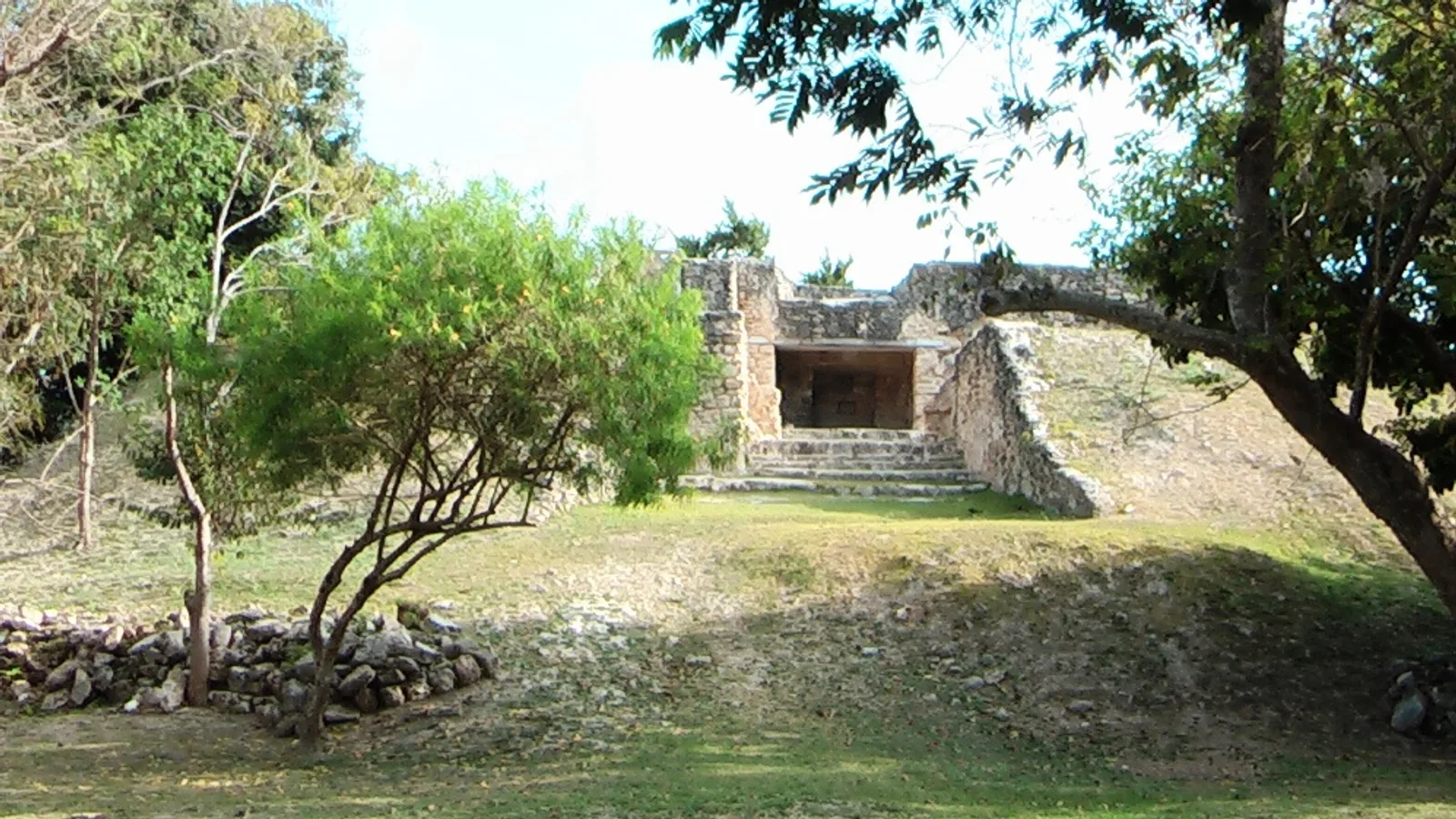
The limestone spine running through Cayo and the Maya Mountains has been dissolving for a very long time. Rainwater carved out river caves, dry chambers and sinkholes, and the ancient Maya used many of them as ritual spaces — they understood caves as entrances to the underworld. That is why several caves still hold ceramics, hearths and, in a few cases, human remains.
It also means access varies wildly. Some caves are a short walk from a paved highway. Others sit at the end of unsealed roads through forest reserve and farmland, which is where having your own vehicle changes the trip entirely.
Actun Tunichil Muknal (ATM): the serious one
ATM is the cave people travel to Belize for. It is a wet cave: you swim a short stretch at the entrance, then wade and scramble upstream through chambers before climbing into a dry upper level that holds ceramic vessels and skeletal remains left in place where they were found.
A few things to be clear about. Entry is only with a licensed guide and visitor numbers are controlled, so book a tour ahead through a licensed operator. Cameras and phones are not permitted inside the cave — that rule has been in force for years and is strictly enforced. It is a physical trip of several hours, with jungle hiking and three river crossings before you even reach the entrance.
How do you drive to the ATM cave?
The turn-off is at Teakettle village on the George Price Highway, roughly half an hour east of San Ignacio depending on traffic. From there it is an unsealed road running south towards the Tapir Mountain Nature Reserve, typically taking the better part of an hour, with shallow fords that can rise quickly after heavy rain.
The road is usually fine in dry weather, but it is rough, and in the wet season a vehicle with ground clearance makes the difference between arriving relaxed and arriving worried. A mid-size SUV such as the 2017 Jeep Cherokee handles this comfortably. Many visitors drive themselves to the car park and meet a guide there, though some operators prefer to collect you — confirm when you book.
Barton Creek Cave: the canoe cave
Barton Creek is the quiet counterpoint to ATM. You do not walk in; you sit in a canoe and a guide paddles you upstream into the mountain, spotlighting formations and ledges where Maya artefacts were left. There is no scrambling, no swimming, and it works well for families, older travellers and anyone who would rather look than climb.
The cave is reached from the Chiquibul Road, turning south at Georgeville on the George Price Highway, then following a dirt road past Mennonite farms at Upper Barton Creek. Expect roughly an hour from San Ignacio in good conditions. The last stretch is unsealed, with a creek crossing near the site that can be deeper after rain. Canoes and guides are arranged at the site or through operators — rates are collected locally, so check the current price on the day.
St Herman's Cave: the easy one on the Hummingbird
St Herman's sits inside St Herman's Blue Hole National Park on the Hummingbird Highway, southeast of Belmopan. This is the most accessible of the four: tarmac all the way to the gate, a visitor centre, and a signed trail down a staircase into a large, dry entrance chamber.
The first section can usually be walked with minimal fuss; going deeper requires a guide, and the park rangers will tell you where the limit is on the day. The same park contains the inland Blue Hole, a sapphire-coloured sinkhole pool that is a fine swim after the cave. Entrance fees are collected at the visitor centre — check the current rate when you arrive.
This one suits a half-day. From San Ignacio it is roughly an hour and a bit via Belmopan, and the Hummingbird Highway is one of the most scenic paved drives in the country.
Rio Frio Cave: the free walk-through cavern
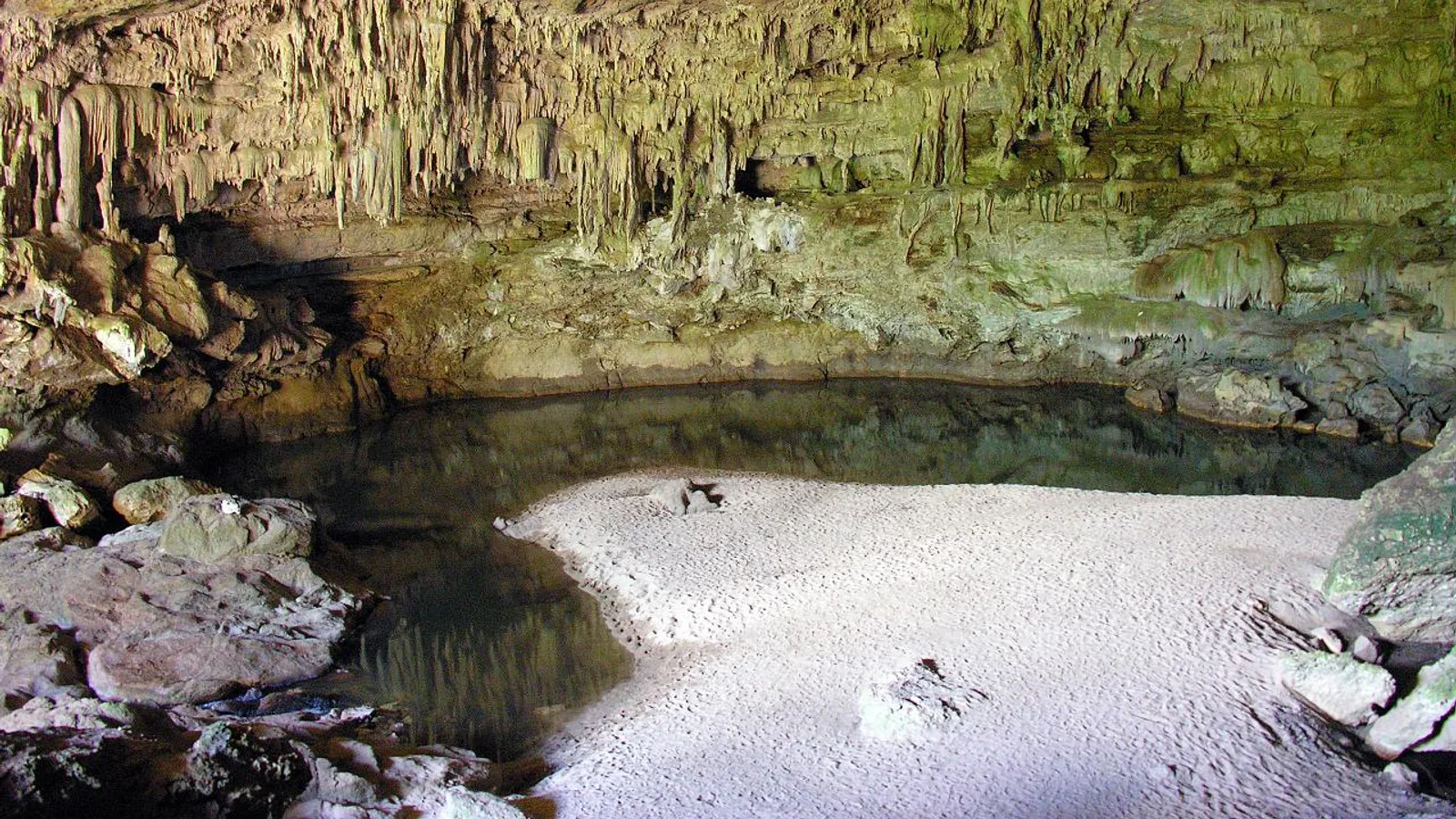
Rio Frio is not a tour. It is an enormous arched tunnel in the Mountain Pine Ridge Forest Reserve, with a river running straight through it and sand banks inside. You park, walk down, and wander through under your own steam. No guide, no tickets, no helmets — just a cathedral-sized hole in a hill with light pouring in at both ends.
Getting there is the catch. You enter the reserve from the Chiquibul Road and continue past the checkpoint towards Douglas da Silva, on dirt roads that are graded in places and badly washboarded in others. Allow somewhere around two hours from San Ignacio, more if you stop at Rio On Pools or the Thousand Foot Falls viewpoint along the way. Visitors sign in at the forest reserve gate.
High clearance is genuinely useful here, and after sustained rain the surface can deteriorate. For a group splitting the cost, something like the 2008 Ford Expedition swallows eight people and the cooler; for two or three, any of the small SUVs in the fleet will do the job.
Which cave should you choose?
- Want the full archaeological experience and you are fit? ATM, with a licensed guide, booked ahead.
- Travelling with kids or grandparents? Barton Creek by canoe.
- Short on time or based near Belmopan? St Herman's, straight off the Hummingbird Highway.
- Prefer no tour, no schedule, no fee at the cave itself? Rio Frio, combined with the Mountain Pine Ridge waterfalls.
- Heading south instead? Blue Creek Cave in Toledo offers a river swim into a cave mouth with a very different feel.
What to bring for a cave day
- Closed shoes with grip that you do not mind soaking (required for ATM; sandals are not acceptable there)
- A change of clothes and a towel in the vehicle
- Dry bag for anything that must stay dry on the drive and the hike
- Water and snacks — there is little or nothing to buy at Rio Frio or Barton Creek
- Insect repellent and a light long-sleeve layer for the forest trails
- Cash in Belize dollars for gate fees, guides and canoe hire
- A full tank before leaving San Ignacio or Belmopan; there are no fuel stations inside the forest reserve
Driving notes and vehicle choice
All four caves can be reached from San Ignacio as day trips, and two of them — Barton Creek and Rio Frio — share the same Chiquibul Road entry, so they can be strung together with an early start. Tour shuttles run to ATM and Barton Creek, but they run on their own clock. With a vehicle you can be at Rio Frio before the day groups and at Rio On Pools while it is still quiet.
Road conditions change with the weather. Dirt roads that are smooth in April can be rutted and slick in October. We describe them as typical rather than guaranteed, and the family in the office is happy to tell you what drivers have reported that week — call or WhatsApp us through the contact page. If this is your first time driving here, the Belize travel information page covers entry requirements, fuel, currency and the basics of driving on local roads.
All rentals include third-party insurance and unlimited mileage within Belize, and we deliver anywhere in the country, including the international airport.
When you have picked your cave — or decided to do all four — send us a reservation request with your dates and group size. There is no online payment and no booking fee; we confirm availability and price by phone or email, and we will be honest about which vehicle suits the roads you are planning to drive.
Frequently asked questions
Can you drive yourself to the ATM cave in Belize?
Yes. The turn-off is at Teakettle village on the George Price Highway, followed by an unsealed road with shallow fords to the visitor car park. You still need a licensed guide to enter the cave itself, so arrange a tour in advance and confirm whether your operator wants to meet you at the car park. A vehicle with decent ground clearance is sensible, especially in the rainy season.
Which Belize cave is best if you do not want to swim or climb?
Barton Creek Cave is the easiest of the well-known caves, because a guide paddles you in by canoe and you stay seated throughout. St Herman's is also manageable, with a staircase down to a large dry entrance chamber, though going deep inside requires a guide. Both are far less physical than Actun Tunichil Muknal.
Do you need a 4x4 to reach Rio Frio Cave?
Not always, but ground clearance helps. The route into the Mountain Pine Ridge Forest Reserve is unsealed, graded in sections and washboarded in others, and it deteriorates after sustained rain. An SUV is the comfortable choice, and we can advise on current conditions when you book.
Can you visit more than one Belize cave in a day?
Barton Creek and Rio Frio can be combined with an early start, as both are reached from the Chiquibul Road south of Georgeville. Actun Tunichil Muknal takes most of a day on its own and is best not paired with anything else. St Herman's works well as a half-day stop on the Hummingbird Highway if you are travelling between Cayo and the coast.