Birders who come to Belize with a target list usually have Crooked Tree Wildlife Sanctuary written near the top of it, and with good reason. This lagoon system in the Belize District concentrates waterbirds in numbers you rarely see elsewhere in the country, and the best of it happens in the few hours either side of sunrise. The catch is that the sanctuary sits well off the highway, the birding peaks early, and no bus timetable in Belize is built around a 5:30 AM start. That is the whole argument for having your own vehicle parked outside your room the night before.
Crooked Tree is managed by the Belize Audubon Society and is a wetland of international importance. Entrance fees are collected at the visitor centre near the village, so check the current rate when you arrive rather than relying on anything you read online.
Why the lagoon pulls in so many birds
Crooked Tree is not a single lake. It is a shifting network of lagoons, creeks, flooded savanna and logwood thickets that swells in the rains and shrinks back in the dry months. That seasonal breathing is what makes the birding so good. As water levels drop, fish and invertebrates are squeezed into smaller and shallower pools, and everything that eats them arrives at once.
The village of Crooked Tree itself sits on an island of higher ground in the middle of this, reached by a causeway across the water. It is one of the older inland Creole settlements in Belize, and the combination of cashew trees, open pasture, lagoon edge and broadleaf scrub means you can rack up a varied list without walking far.
What birds will you see at Crooked Tree Wildlife Sanctuary?
The headline species is the jabiru, the tallest flying bird in the Americas, which uses the Crooked Tree area during the dry season and is generally easiest to find in those months. Beyond that, expect a steady run of:
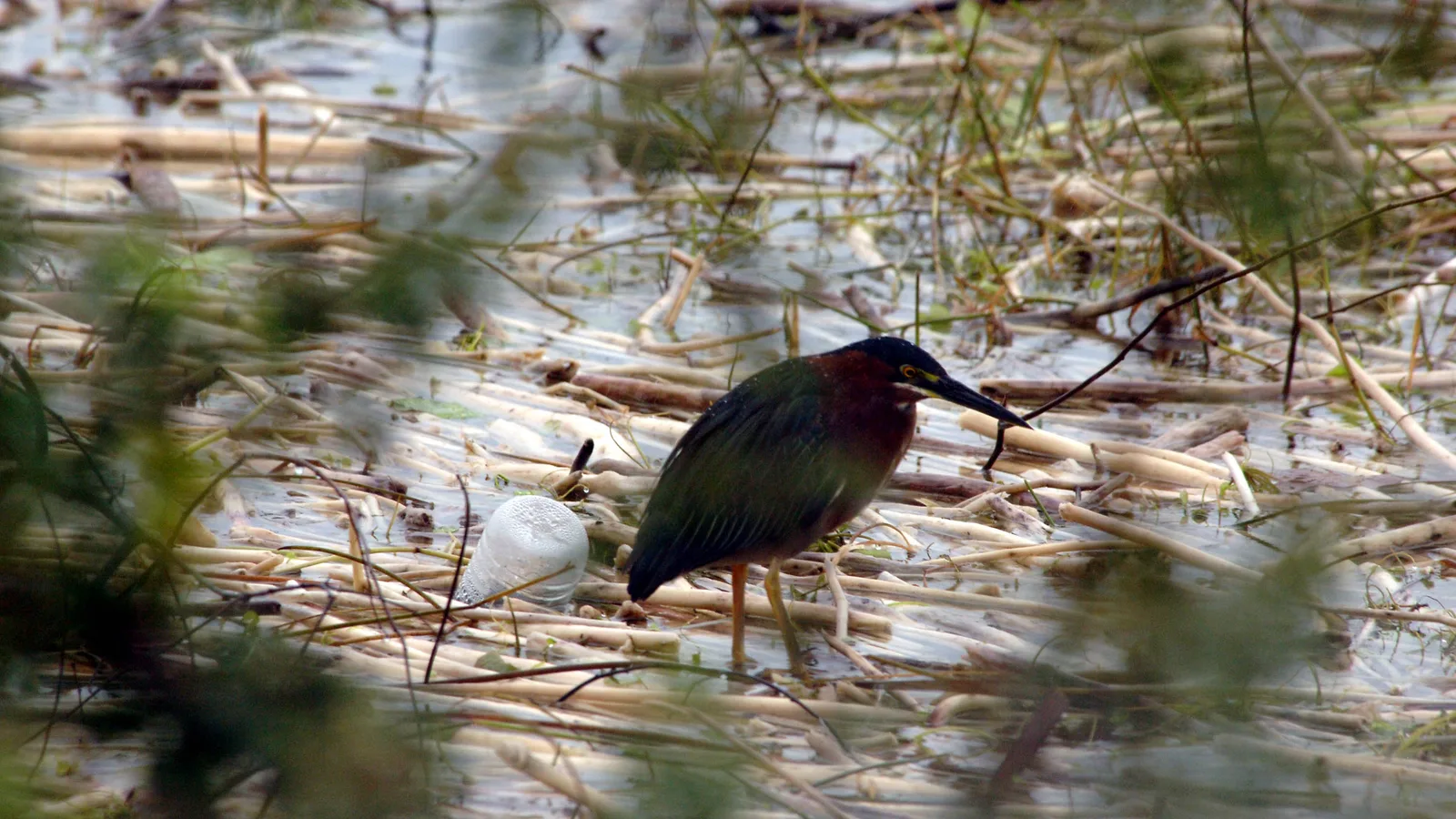
- Wading birds in quantity: wood storks, roseate spoonbills, great and snowy egrets, boat-billed herons, bare-throated tiger-herons
- Raptors over the water and savanna, including snail kites, black-collared hawks and ospreys
- Limpkins, northern jacanas and black-bellied whistling ducks along the margins
- Kingfishers of several sizes working the creek mouths
- Migrant warblers and shorebirds through the northern winter months
- Yucatan jay, vermilion flycatcher and other dry-forest and savanna species away from the water
A local guide from the village will shorten your learning curve enormously, and boat trips out onto the lagoon can be arranged in Crooked Tree itself. Ask at the visitor centre or your lodge; these are village-run arrangements, not something booked in advance from abroad.
When does the birding peak at Crooked Tree?
Broadly, the dry season. From roughly February into May the lagoons draw down, concentrations build, and the open mud and shallow margins make the birds visible rather than hidden in flooded scrub. Late in that window, around April and May, is often when the spectacle is at its most compressed, though it is also when the heat arrives in earnest.
From around November onwards you add northern migrants to the resident list, so the middle of the dry season gives you both. The wet season from June through to roughly November is far from empty, but water is everywhere, birds spread out, and the access road can be harder going.
Within any given day, the pattern is simple and unforgiving: dawn until about nine in the morning, then a long quiet middle, then a shorter burst in the last hour or two of light. Plan the whole trip around that first window.
How do you time the drive from Belize City?
The sanctuary lies northwest of Belize City, with the turn-off signposted from the Philip Goldson Highway. From the city centre you are typically looking at under an hour to the junction and then a few miles of access road and causeway to the village, depending on traffic and any road work.
To be standing by the water at first light, that means leaving Belize City in the dark, somewhere around 4:30 to 5:00 AM depending on the season. It is a straightforward drive on a good paved highway, but it is also a drive with free-roaming dogs, cyclists without lights and the occasional speed bump through villages, so keep the speed sensible.
Coming from San Ignacio instead, budget roughly two to two and a half hours via Belmopan and the Western Highway, which makes a pre-dawn start a bigger ask. Many birders solve this by driving up the afternoon before, birding the last hour of light, sleeping in one of the village guesthouses, and simply walking out of the door at sunrise. If you are planning that, our general Belize travel notes cover driving, documents and currency in plain terms.
What the causeway and access road are like
The highway section is paved and in reasonable shape. The access road running in from the junction and the causeway crossing the lagoon are the part that varies. The causeway has been upgraded in recent years, but surfaces here are exposed to serious water, and conditions after heavy rain or during works are not something anyone should promise in advance.
Typically you can expect a firm but unsealed or patched surface, some loose material, a few potholes, and no lighting at all. In the dry season it is dusty. In the wet season there can be standing water at the edges. None of this is dramatic in a sensible vehicle driven at a sensible speed, but it is not a road for a low, soft city car at pace.
The causeway itself is also one of the better birding spots in the sanctuary. Pull fully off the driving surface, get out, and scan both sides. Having your own vehicle means you can do this for twenty minutes without anyone tapping a watch.
Plan for and pack
- Binoculars, and a scope if you have one; the lagoon views are long
- Insect repellent, especially for dawn and dusk near the water
- Sun hat, long sleeves and more water than you think you need
- Small bills in Belize dollars for entrance fees, guides and village meals
- A full tank before you leave Belize City; do not count on fuel at the village
- Offline maps, as mobile coverage is patchy once you leave the highway
- A torch if you are arriving or leaving in the dark
Which vehicle suits this trip
For two or three birders with optics and day bags, a compact SUV is the right tool. The 2015 Jeep Compass handles the highway comfortably and has the clearance for the access road, and the 2017 Jeep Cherokee gives you a little more room if you are carrying tripods and overnight bags as well.
Birding groups and families travelling together are better served by something larger. The eight-seat 2008 Ford Expedition keeps everyone in one vehicle, which matters when you are coordinating a pre-dawn departure. You can compare seat counts and daily rates across the full fleet, and rentals of seven days or more drop to a lower daily rate, which adds up on a longer birding itinerary.
Every rental includes third-party insurance and unlimited mileage within Belize, and we deliver and collect anywhere in the country, including the international airport, so you can start the trip the moment you land.
Making a day of it
After the morning session, the village is worth your time. Walk the lanes, look at the cashew trees, and eat where the locals eat. If you are in Belize in May, Crooked Tree is known for its cashew harvest and the festival that goes with it, which is a very different kind of day out and worth asking about locally.
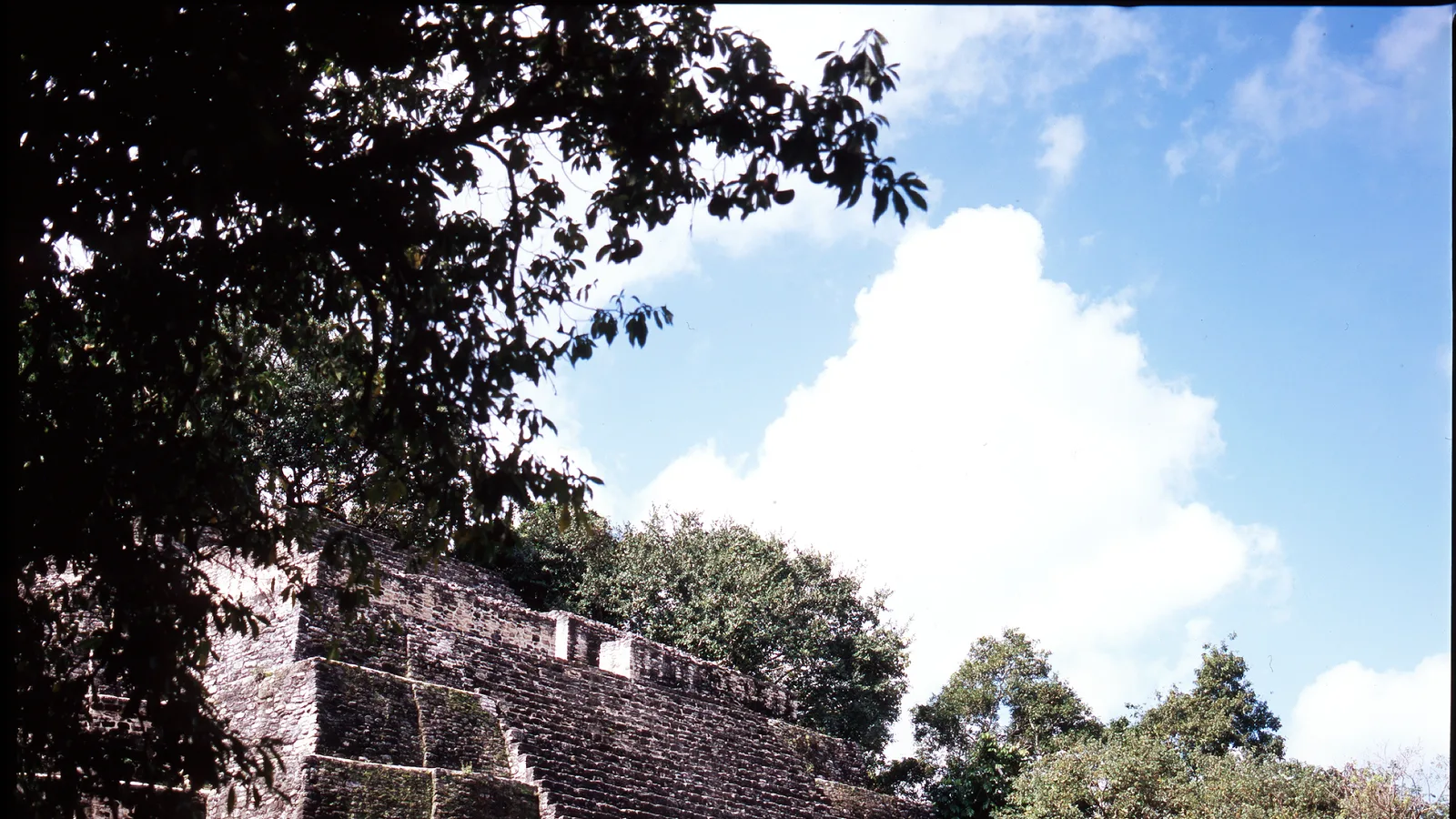
On the way back south you are well placed for Altun Ha, which sits off the Old Northern Highway and makes a natural second stop before the light goes flat.
When you are ready, send us a reservation request. There is no online payment and no booking fee; our family confirms availability and price by phone or email, and you can always reach us on WhatsApp through the contact page if you would rather talk it through first.
Frequently asked questions
When is the best time of year to visit Crooked Tree Wildlife Sanctuary?
The dry season, roughly February through May, is generally considered the peak. Falling water levels concentrate fish and the birds that feed on them, which makes waders and raptors far easier to see. From November onwards you also pick up northern migrants. Conditions vary year to year, so check locally before committing to a date.
How long does it take to drive to Crooked Tree from Belize City?
The turn-off from the Philip Goldson Highway is typically under an hour from Belize City, followed by a few miles of access road and the lagoon causeway into the village. To be in position for dawn birding, most visitors leave the city between about 4:30 and 5:00 AM. Allow extra time for road work or wet conditions.
Do I need a 4x4 to reach Crooked Tree Wildlife Sanctuary?
Not usually. The highway is paved and the access road and causeway are typically passable in a standard SUV with reasonable ground clearance. A compact SUV such as a Jeep Compass or Cherokee is a comfortable choice, and surfaces can be rougher after heavy rain, so drive to the conditions you find.
Can I arrange a guide or a boat trip on the lagoon?
Yes, guides and lagoon boat trips are arranged locally in Crooked Tree Village, usually through the visitor centre or your guesthouse. Cayo Auto Rentals rents vehicles and equipment only; we do not run tours or sell attraction tickets. Entrance fees are collected at the visitor centre, so confirm the current rate on arrival.