Birdwatching in Belize is one of the few activities where having your own vehicle changes not just your comfort but the actual list you take home. Birds are busiest in the first two hours of daylight and again late in the afternoon. Shuttles and group transfers are not. If you can leave before dawn, pull onto the shoulder of a quiet road at first light, and be somewhere else by mid-morning, you will simply see more.
This guide follows a line most visitors already travel — the north around Crooked Tree, the middle of the country through Cayo, and the long run south into Toledo — and points out where it is worth stopping with binoculars.
Why drive instead of booking transfers?
Belize is small, but the habitats change quickly. In a single morning you can move from coastal lagoon to pine savanna to broadleaf forest, and each of those holds a different set of birds. Well over 500 species have been recorded in the country, and a large share of them are easiest to find from a parked vehicle on an empty road.
A vehicle also solves the two problems birders complain about most here: fixed departure times and fixed return times. You decide when the day starts and when it ends. If you are still working out entry requirements, driving rules and currency, the practical Belize travel notes cover the basics before you arrive.
Crooked Tree Wildlife Sanctuary: the northern anchor
Crooked Tree sits west of the Philip Goldson Highway, reached by a causeway across the lagoon, and it is the single best-known birding site in the country. The village is roughly an hour from Belize City depending on traffic and road works, and a little under two hours from San Ignacio.
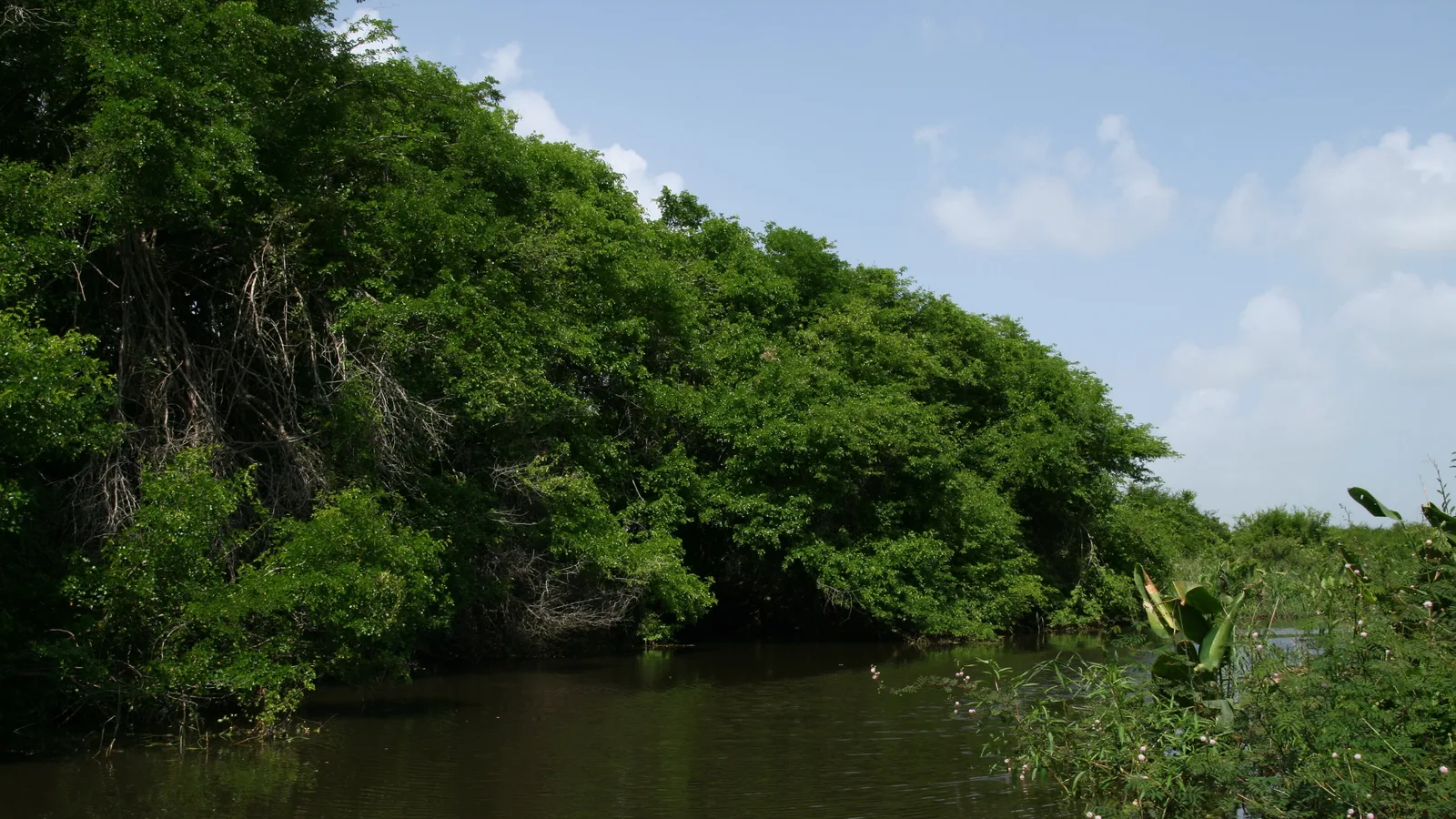
The causeway itself is often the most productive stretch. You can stop, stand beside the vehicle and scan the shallows without going anywhere near a trail. In the dry months the water drops, fish concentrate, and the wading birds concentrate with them.
What people come for:
- Jabiru stork, the largest flying bird in the Americas, most reliable in the dry season
- Snail kite and limpkin working the lagoon edges
- Boat-billed heron, bare-throated tiger heron and several egret species
- Black-collared hawk perched over open water
- Northern jacana walking the lily pads
- Large numbers of wintering ducks and shorebirds from roughly November onward
There is a visitor centre at the sanctuary where entrance fees are collected and local guides can usually be arranged. Rates and opening times change, so confirm them on arrival rather than relying on anything you read online.
When is the best time of year for birdwatching in Belize?
February through May is the classic window. Water levels fall, wetland birds bunch up at Crooked Tree, and the roads are at their driest. Northern migrants are present from around October to April, which makes the late dry season the overlap most birders aim for.
The green season from June to November is quieter and wetter, but it is also when resident birds are breeding and vocal. Unpaved roads deteriorate in that period, which matters more than rain itself when you are planning a self-drive.
Stops along the George Price Highway
The highway between Belize City and Belmopan runs through pine savanna, farmland and patches of broadleaf forest, and it rewards slow driving. Roadside wires and fence posts hold kingbirds, kiskadees, grey hawks and, with luck, a laughing falcon. Vultures and occasional king vultures ride the thermals by mid-morning.
The savanna belt around Mile 31 is the obvious place to break the drive, and our guide to Monkey Bay and the George Price Highway wildlife stops covers that stretch in more detail. Pull fully off the carriageway when you stop — this is a working highway with trucks on it.
Cayo: forest birds, rivers and the Mountain Pine Ridge
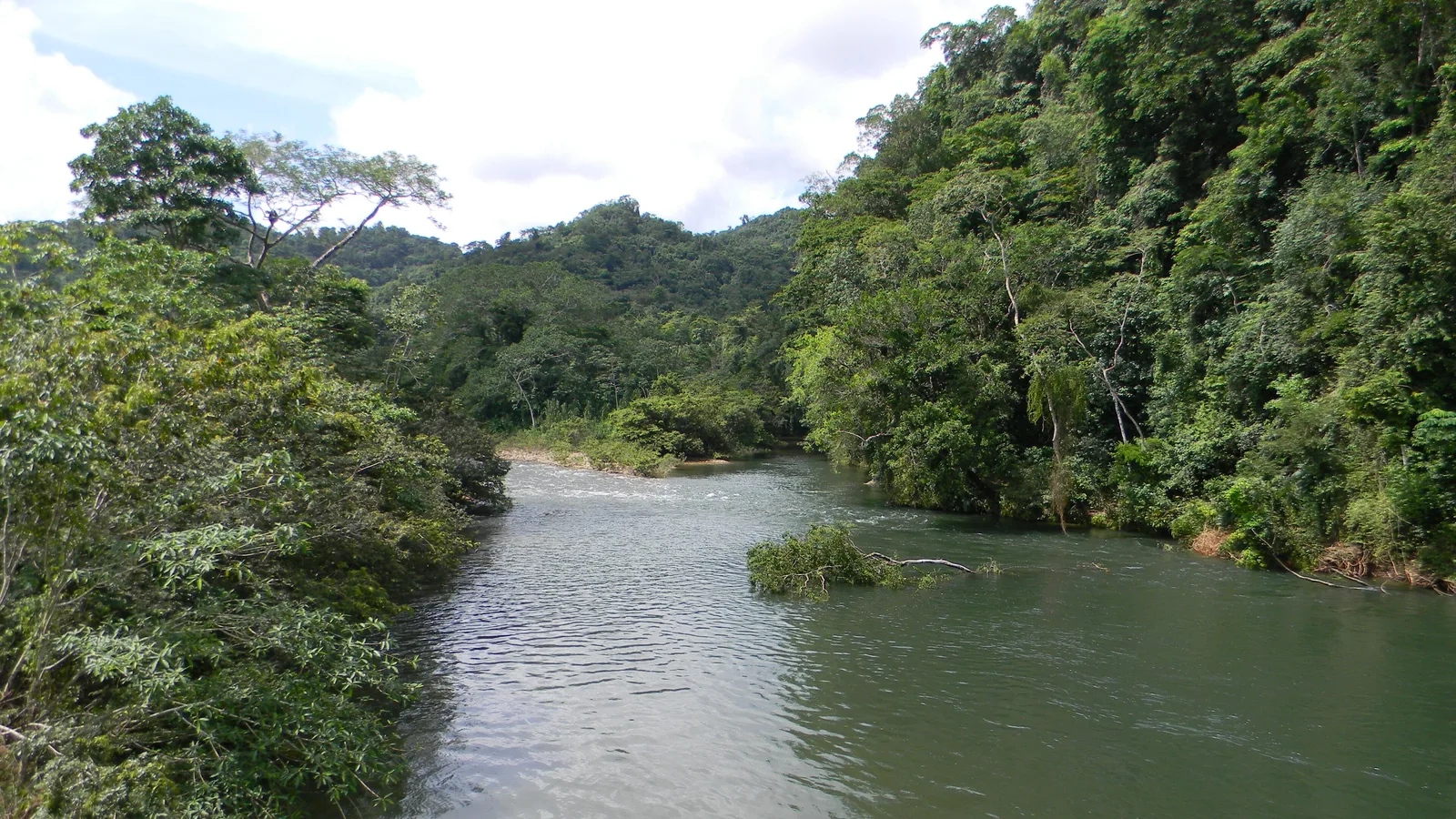
Cayo District gives you three habitats within half an hour of San Ignacio. The riverbanks of the Macal and Mopan hold kingfishers, herons and the occasional sungrebe. The broadleaf forest on the Chial and Cristo Rey roads produces keel-billed toucans, collared aracaris, Montezuma oropendolas and trogons. The Mountain Pine Ridge, higher and drier, is a different world again.
What birds can you see around San Ignacio?
Early morning on any quiet road west of town will usually turn up the national bird, the keel-billed toucan, along with chachalacas, social flycatchers, masked tityras and several parrot species crossing overhead at first light. Hummingbird feeders at lodges along the river are reliable, and most owners do not mind visitors watching from a respectful distance if you ask.
Up in the Mountain Pine Ridge the specialities include acorn woodpecker, rusty sparrow and, around the deeper gorges, orange-breasted falcon. The reserve roads are unsealed limestone and gravel. They are generally passable in the dry season but get slick and rutted after heavy rain, and there are no fuel stops inside the reserve. This is the part of the trip where ground clearance pays for itself — a 2017 Jeep Cherokee or a similar SUV handles those tracks far more comfortably than a low saloon.
Going south: the Hummingbird and Southern Highways
The Hummingbird Highway from Belmopan to the coast is paved, scenic and lined with forested hills. Stop at the picnic areas and bridges rather than on blind curves.
Further south, the Southern Highway opens up the Stann Creek and Toledo birding. Cockscomb Basin Wildlife Sanctuary, reached by an access road off the highway at Maya Centre, has several hundred species recorded and good trail birding in the early morning. The scarlet macaw flocks that gather near Red Bank village are a dry-season event, usually around January to March, and access is organised through the village — ask locally rather than turning up unannounced.
Toledo: the quiet far south
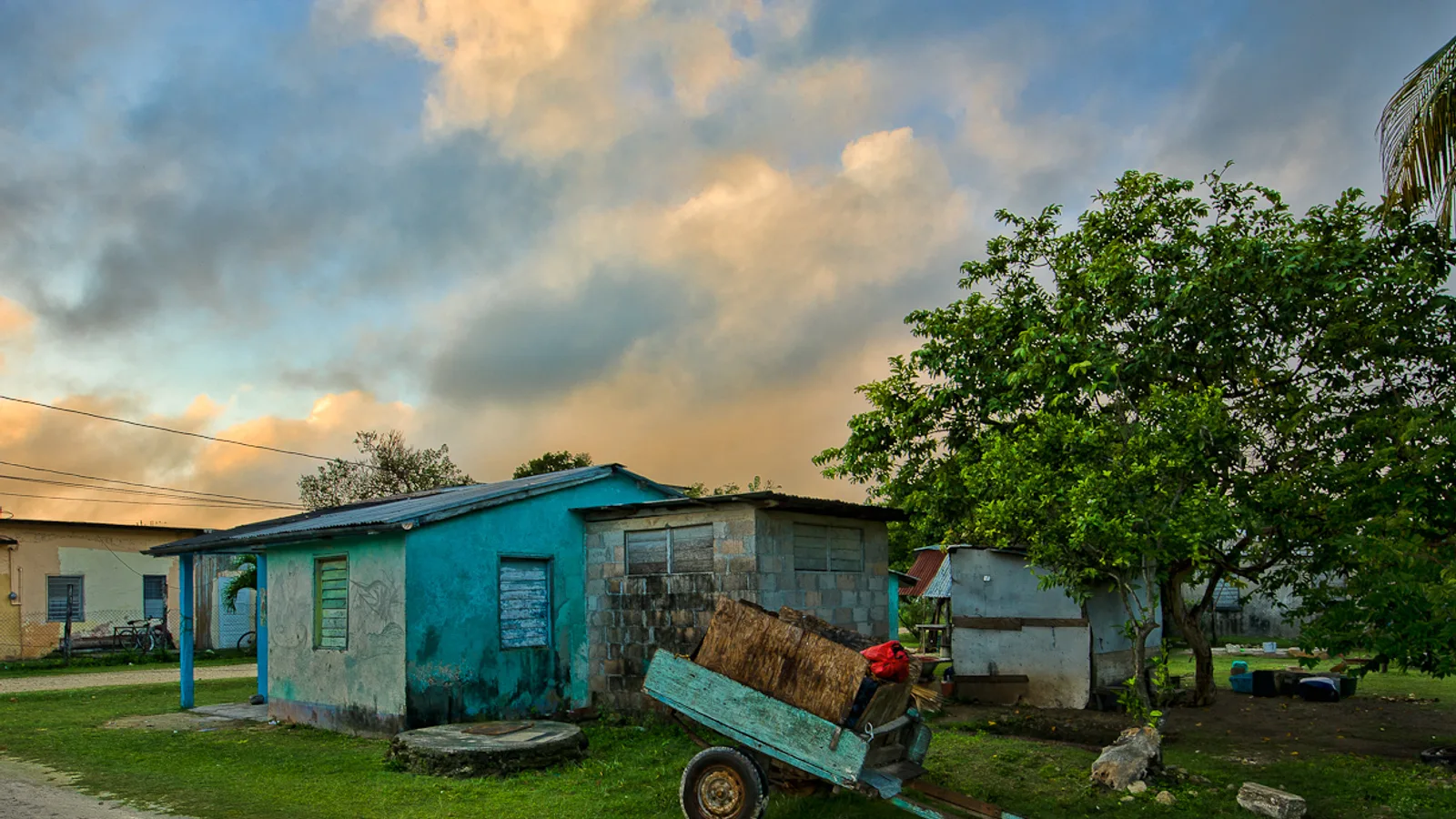
Toledo is the wettest, least visited and in some ways most rewarding corner of the country. Village roads off the highway pass through forest edge and citrus, and the birding from the vehicle can be excellent simply because there is so little traffic. Aguacaliente Wildlife Sanctuary near Laguna village protects a seasonal wetland worth asking about locally.
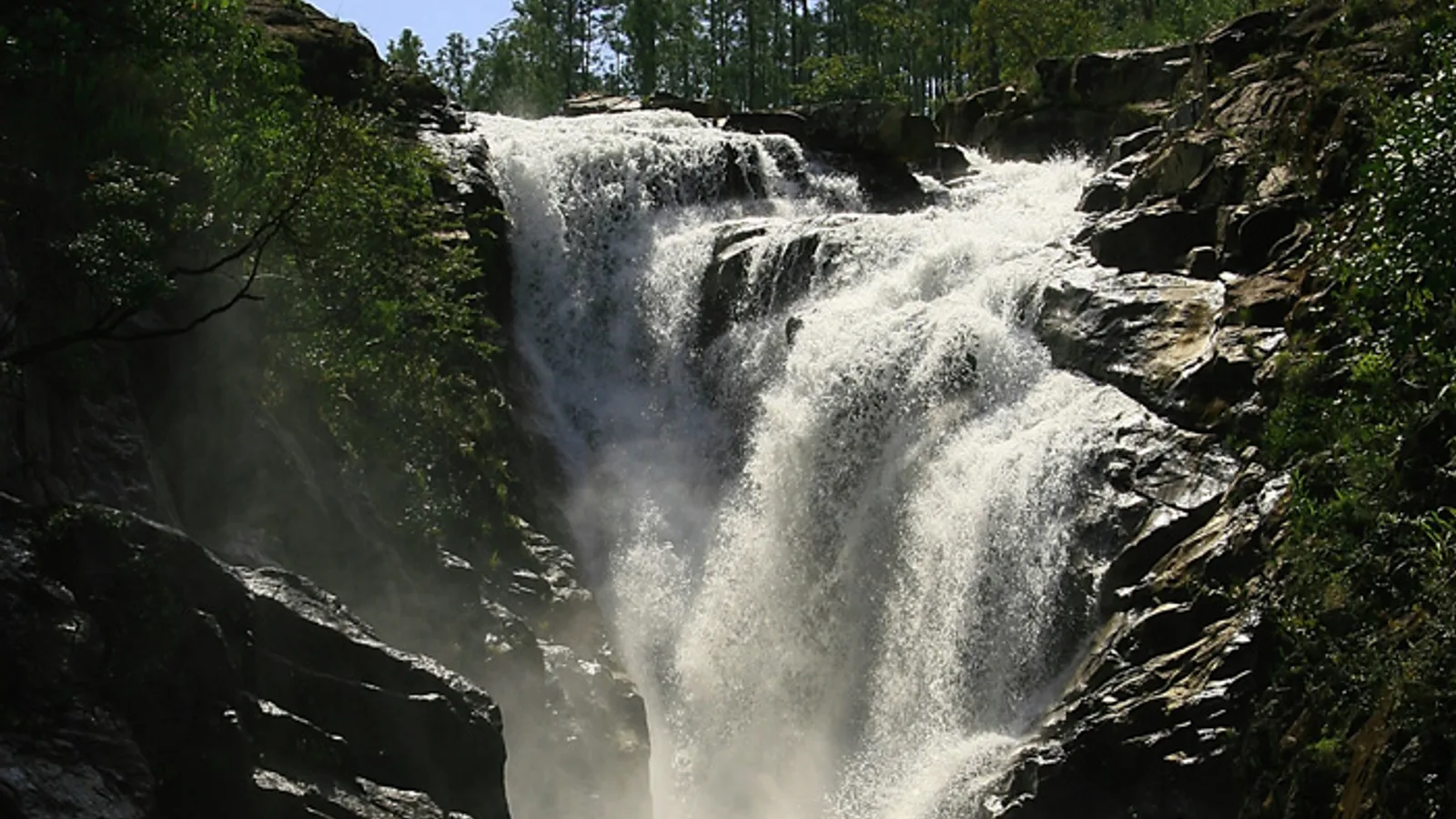
If you are already heading inland, Rio Blanco National Park's waterfall drive pairs well with a morning of birding — forest birds first, swim afterwards. Expect unpaved approach roads in this district and plan around rain.
What to bring on a birding drive
- Binoculars, and a scope if you are serious about the Crooked Tree lagoon
- A Belize or northern Central America field guide, downloaded offline as a backup
- Insect repellent and long sleeves for dawn stops near water
- Cash in Belize dollars for entrance fees and village guides
- Water and a packed breakfast, because the best hours are before anything opens
- Rubber boots or old trainers if you plan to walk wetland edges
- A full tank before leaving Belmopan, San Ignacio, Dangriga or Punta Gorda
Which vehicle suits a birding road trip?
Main highways in Belize are paved and straightforward. The access roads to the places birders want are often not. Gravel causeways, forest tracks and village roads favour an SUV with decent clearance, and all our vehicles come with third-party insurance and unlimited mileage within Belize.
Two or three people with camera bags fit comfortably in any of the small SUVs across the fleet. Larger groups or a club trip may prefer the eight-seat Expedition or the twelve-seat van, which keeps everyone together for a 5 a.m. start. We are a family-run company based on Benque Viejo Road in San Ignacio, and we can meet you at the international airport, Belize City, Dangriga, Placencia or Punta Gorda if your route starts elsewhere.
Tell us your dates and the sites you are aiming for and we will suggest something that suits the roads involved. Send a reservation request and we will confirm availability and price by phone or email — no deposit, no booking fee, just a straight answer from the family.
Frequently asked questions
Do I need a 4x4 for birdwatching in Belize?
Not for the main highways, which are paved and in reasonable condition. You will want an SUV with good ground clearance for the Mountain Pine Ridge tracks, the Crooked Tree causeway and the unpaved village roads in Toledo. In the wet season those surfaces deteriorate quickly, so a higher vehicle is the safer choice year round.
When is the best time of year for birding in Belize?
February to May is the most popular window. Water levels drop at Crooked Tree, concentrating wading birds, and unsealed roads are at their driest. Northern migrants are generally present from around October to April, so late in the dry season you get both residents and visitors.
Can I drive to Crooked Tree Wildlife Sanctuary myself?
Yes. It is reached by a signed turn-off from the Philip Goldson Highway north of Belize City, followed by a causeway across the lagoon. Entrance fees are collected at the visitor centre in the village, and local guides can usually be arranged there, so confirm current rates and times when you arrive.
Can Cayo Auto Rentals deliver a vehicle for an early morning start?
We can arrange pick-up and drop-off anywhere in Belize, including the international airport, Belize City, Dangriga, Placencia and Punta Gorda. Our office hours are 8:00 AM to 6:00 PM Monday to Saturday and we are closed Sundays, so collect the vehicle the day before if you plan a pre-dawn departure. Send a reservation request or message us on WhatsApp to arrange the details.