Cave tubing at Nohoch Che'en is the easiest way to get inside a Belizean cave system without a single rope, ladder or scramble. You sit in an inner tube, you float, and the Caves Branch River does the rest. The site sits in the Nohoch Che'en Caves Branch Archaeological Reserve, reached by a feeder road off roughly Mile 37 of the George Price Highway, and it is one of the few headline attractions in Belize that a confident self-driver can reach, park at and organise on the same morning.
If you are already driving yourself around Cayo and the Belize District, it slots neatly into a day that might otherwise be spent on a shuttle bus.
What is Nohoch Che'en?
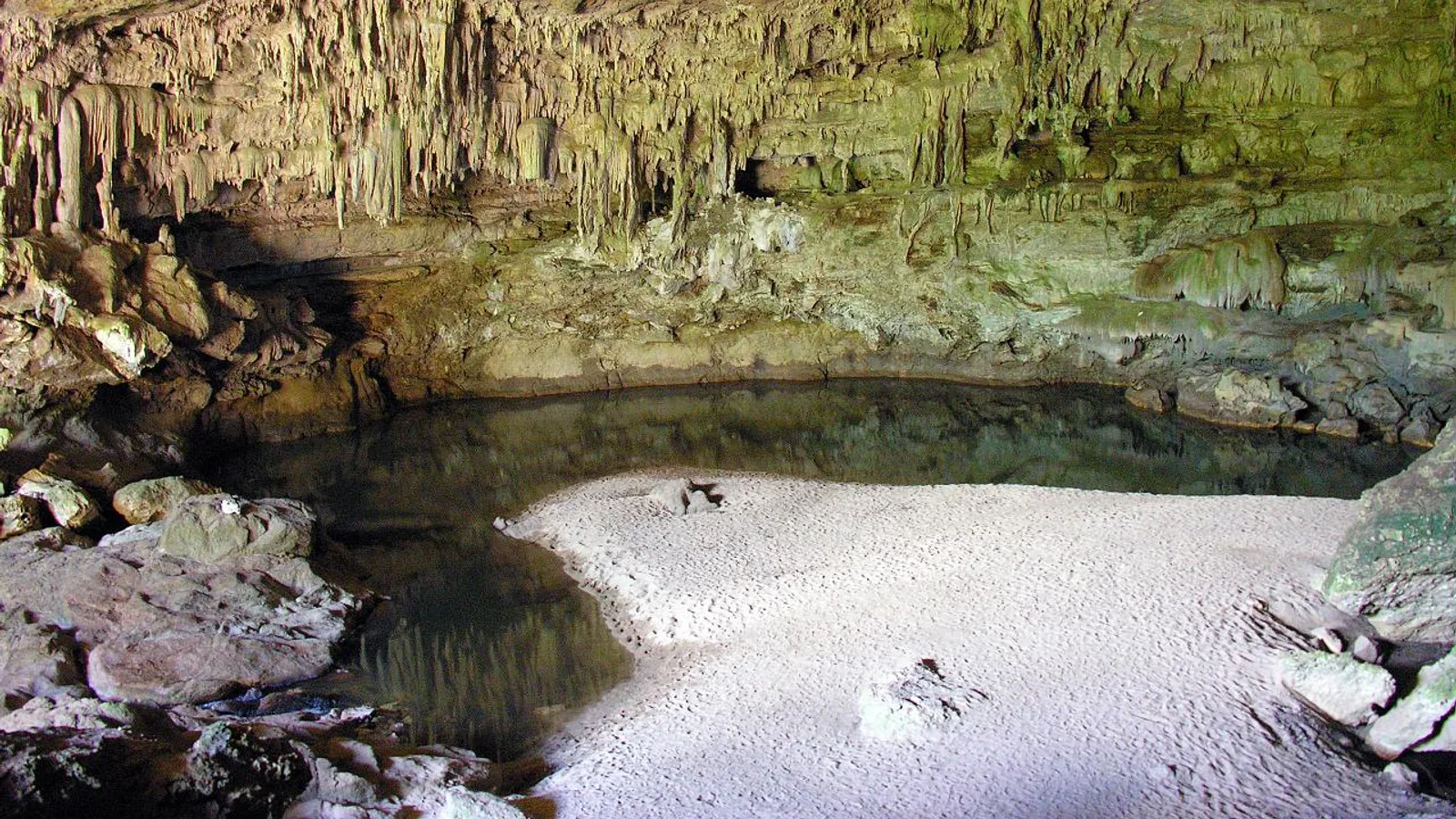
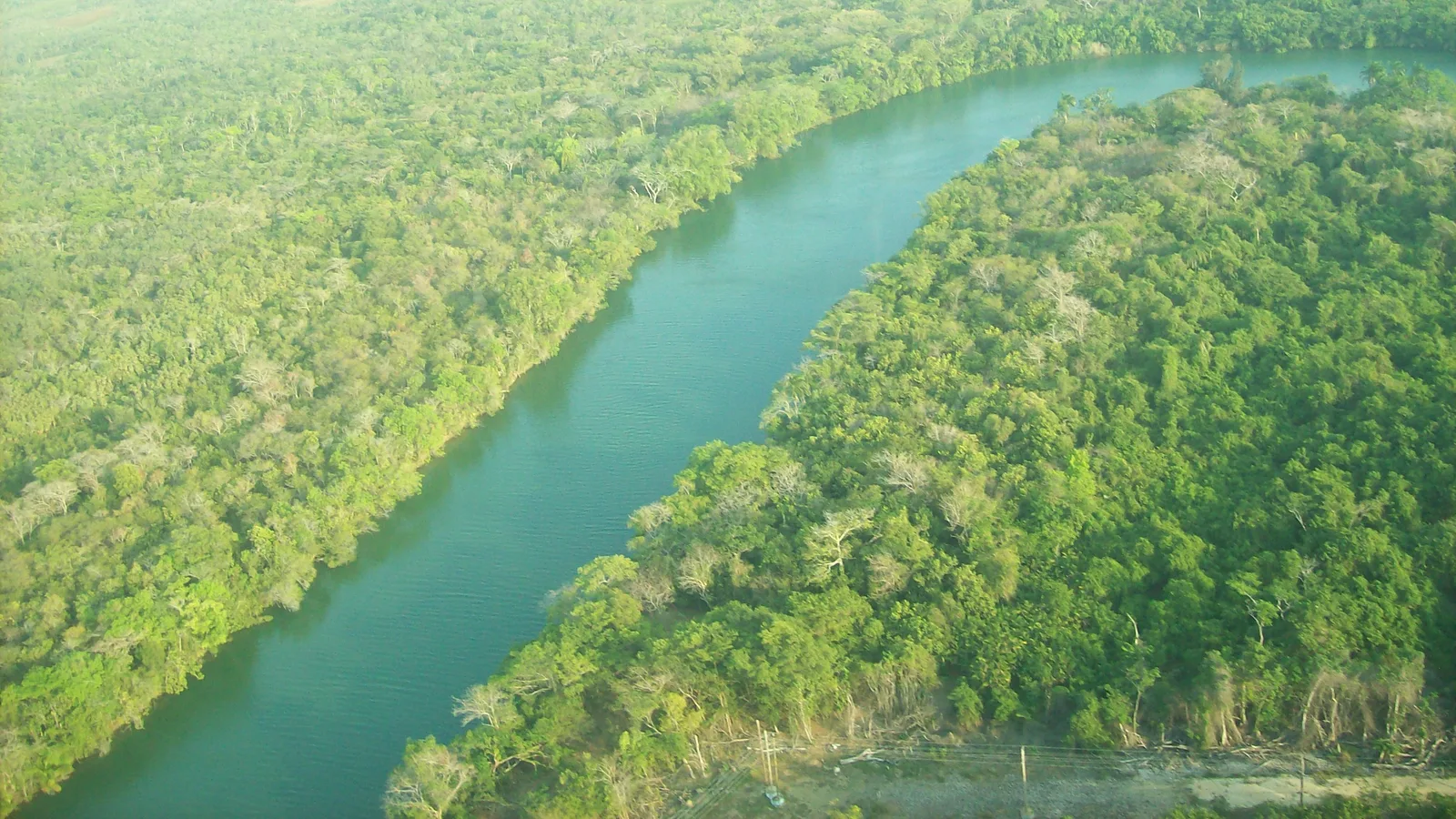
Nohoch Che'en means something close to "big well" in Yucatec Maya, and the name fits. The Caves Branch River cuts underground through a series of limestone caverns before reappearing in jungle-covered sinkholes. The Maya used these caves for ceremonial purposes, and the reserve is managed as an archaeological site, not just a swimming hole.
What visitors come for is the tubing. You walk upstream through the forest carrying a tube, get in where the river enters the rock, and drift back downstream through a chain of dark chambers to a take-out near the visitor area.
It is genuinely accessible. Children who can swim, older travellers and people with no caving experience all do this trip comfortably.
How do you drive to Nohoch Che'en from San Ignacio or Belize City?
The reserve is signed from the George Price Highway (still widely called the Western Highway) near the village of Armenia, in the stretch between Belmopan and Belize City. Watch for the mile markers along the shoulder and for signage for Caves Branch and the archaeological reserve.
Rough timings, allowing for traffic, speed bumps through villages and the occasional stretch of road work:
- From San Ignacio — around an hour, give or take, mostly on good paved highway through Belmopan.
- From Belmopan — roughly twenty to thirty minutes.
- From Belize City — around an hour, depending on how long it takes to clear the city.
- From the international airport (PGIA) — a little over an hour, which makes it a realistic stop on an arrival or departure day if your flight timing is kind.
The feeder road in
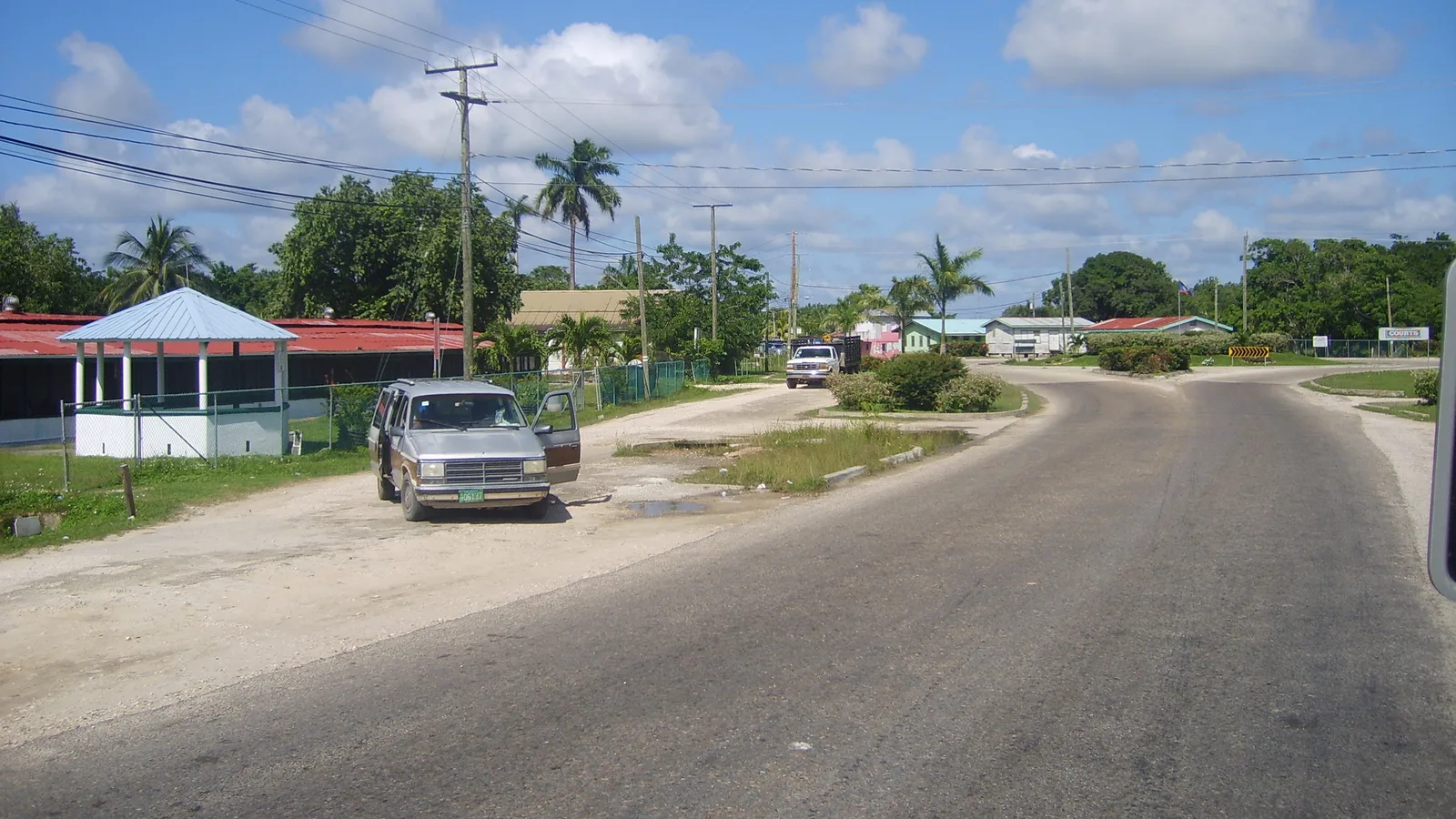
Once you leave the highway you are on an unpaved feeder road for several miles. It is typically a graded limestone and gravel surface, dusty in the dry season and slick with potholes and standing water after heavy rain. There are usually one or two low spots that collect water.
Nothing about it is extreme, but it is not a road you want to take at highway speed in a low saloon car. Ground clearance and sensible speed matter far more than four-wheel drive. Drive it slowly, expect oncoming tour vans, and give way on the narrow sections.
If conditions have been wet, ask at your hotel or call ahead before committing — the reserve can close when river levels rise, and that call is made locally on the day.
Where do you park at Caves Branch?
There is a designated parking area at the visitor facilities at the end of the feeder road. It is an open, attended lot shared with the tour operators who bring groups in by van, and it fills up on busy mornings.
A few practical notes:
- Entrance fees for the reserve are collected on site — check the current rate when you arrive, and bring Belize dollars or US cash rather than relying on cards.
- There are usually changing facilities, toilets and small vendors near the car park, but do not count on anything elaborate.
- Leave nothing visible in the vehicle. You will be away from it for a couple of hours and soaking wet when you return, so take a dry bag with keys, phone and cash only if your guide allows it, otherwise lock valuables out of sight.
- Mornings are quieter. When cruise ships are in port at Belize City, the site can get very busy with large groups in the middle of the day.
Do you need a guide for cave tubing in Belize?
Yes. Nohoch Che'en is a managed archaeological reserve and tubing here is done with a licensed guide. You cannot simply park, inflate a tube and float off on your own.
The practical effect for a self-driver is that you drive yourself to the site and then join a guide and tube rental on arrival, or arrange a guide in advance through an operator or your hotel. Guides handle the tubes, life jackets and headlamps. Confirm what is and is not included when you book — we rent vehicles, not tours, so the arrangement is between you and the operator.
The upside of driving yourself is timing. You arrive when you want, you are not tied to a van full of other people's schedules, and you leave when you have had enough.
What does the float actually involve?
You start with a walk. From the staging area it is typically a half-hour or so along a forest trail, carrying your tube, with one or two shallow river crossings along the way. The trail is flat to gently undulating and shaded, but it is humid and your tube is awkward, so take it steadily.
At the put-in you clip on a headlamp, sit into the tube and push off. Groups are usually linked together so nobody drifts off alone. The river carries you into the first cavern and the daylight drops away behind you.
Inside, the chambers open and close. Some are cathedral-sized with stalactites hanging well above your head; others narrow enough that you duck. Your guide will point out formations, Maya pottery ledges and the occasional bat. Between caves you pass through short open sections of jungle river with sunlight coming down through the canopy.
The water is cool and the current is gentle in normal conditions. The whole float typically takes somewhere around forty-five minutes to an hour, depending on water levels and group size.
How does cave tubing compare to Belize's walk-in caves?
Belize has several very different cave experiences, and it helps to know which one you are actually signing up for.
- Nohoch Che'en cave tubing — passive, floating, wet throughout, low physical demand. Best for families, mixed-ability groups and anyone who wants the cave atmosphere without exertion.
- Actun Tunichil Muknal (ATM) — a long guided hike, river crossings, swimming into the cave mouth and climbing through chambers to reach Maya ceremonial remains. Physically demanding, deeply impressive, and subject to strict rules including a ban on cameras.
- Barton Creek Cave — explored by canoe rather than tube, with a guide paddling you in and out. Dry, comfortable, good for those who do not want to get wet.
- Rio Frio Cave in Mountain Pine Ridge — a huge walk-through arch you can visit without a guide, free to enter, but the drive in is long and rough.
- St. Herman's Cave at Blue Hole National Park — a genuine walk-in cave you enter on foot down stone steps, with deeper sections requiring a guide.
Tubing gives you the inside of the mountain for very little effort. The walk-in caves give you archaeology and atmosphere, but ask more of your legs.
Plan for the day
- Swimwear worn under quick-dry clothes, and water shoes or sandals with a heel strap — flip-flops come off in the river
- A change of dry clothes and a towel left in the vehicle
- Reef-safe sunscreen and insect repellent, applied before you get in the water
- Cash in Belize dollars for the entrance fee, guide and any vendors
- A dry bag if you want to carry a phone or small camera on the float
- Drinking water and a snack — there is little shade in the car park
Leave jewellery, loose sunglasses and anything that sinks at the hotel. Things lost in the river stay in the river.
Which vehicle suits this drive?
The highway portion is easy. The feeder road is where a higher-riding vehicle earns its keep, especially if rain has been through in the last day or two. A mid-size SUV such as the 2017 Jeep Cherokee handles the gravel and the wet patches without drama, and gives you a dry boot for towels and bags. Larger groups travelling together usually do better in one of the seven- or eight-seat vehicles in our fleet than in two small cars on a narrow track.
If this is your first time driving in Belize, our general Belize travel notes cover licences, fuel, road rules and the practicalities of getting around.
Making a day of it
Nohoch Che'en sits in exactly the right place to be combined with other stops along the same highway. The wildlife and birding pull-offs covered in our guide to Monkey Bay and the George Price Highway are close by, and Belmopan is a short run west for lunch.
If you are basing yourself in Cayo, the tubing fits neatly into a longer plan — our three-day Cayo driving itinerary shows how it slots in alongside the Maya sites and the Mountain Pine Ridge.
When you are ready, send us a reservation request with your dates and group size. We are a family business in San Ignacio, we will confirm availability by phone or email, and we can meet you at the airport, in Belize City or anywhere else you are starting from.
Frequently asked questions
Can you drive yourself to Nohoch Che'en cave tubing?
Yes. The reserve is reached by a signed feeder road off the George Price Highway near Mile 37, close to Armenia village, and there is a parking area at the visitor facilities. The feeder road is unpaved for several miles, so a vehicle with reasonable ground clearance is the sensible choice, especially after rain. The tubing itself must be done with a licensed guide arranged on site or in advance.
How long does the cave tubing trip take at Caves Branch?
Allow around two to three hours from car park to car park. That typically includes a walk of roughly half an hour through the forest carrying your tube, a float of around forty-five minutes to an hour through the caves, and time to change afterwards. Water levels and group size both affect the timing.
Do you need to be a strong swimmer to go cave tubing?
No. Life jackets are provided and you remain seated in an inner tube for the float, with groups usually linked together. Basic water confidence helps, as there are shallow river crossings on the walk in and you will be in moving water, but it is not a swimming exercise. If anyone in your group is uneasy in water, mention it to the guide before you set off.
Does cave tubing ever close because of rain?
It can. Heavy rain raises the Caves Branch River and the reserve may suspend tubing until levels drop, which is a safety decision made locally on the day. During the wetter months it is worth checking before you make the drive, and the unpaved feeder road in is also at its roughest after sustained rain.