Gales Point Manatee is one of those places that stays quiet because getting there takes a small amount of effort. The village sits at the end of a narrow peninsula poking into the Southern Lagoon, in the southern corner of the Belize District, and the usual way in is the unpaved Coastal Road that cuts between the George Price Highway and the Hummingbird Highway. There is no bus terminal buzz, no strip of tour shops, and on most days no other visitors. There are manatees in the lagoon, jabiru storks in the pine savanna, and a village with a drumming tradition that goes back generations.
This guide covers the drive first, because that is the part people worry about, and then what there is to do once you park.
Where is Gales Point Manatee?
The village lies on the Southern Lagoon, roughly midway along the Coastal Road, which leaves the George Price Highway near La Democracia and comes out on the Hummingbird Highway near Melinda, a little north of Dangriga. From the turnoff, a spur road runs a few miles down the peninsula to the houses, with water on both sides for the last stretch.
From Belize City or the international airport, allow somewhere around two hours door to door, depending on the state of the road. From San Ignacio, think in terms of two and a half hours or so, again depending on conditions and road work. These are honest estimates, not promises — the unpaved section is the variable.
If this is your first drive in the country, the general notes on licences, fuel, road signs and currency on our Belize travel information page are worth five minutes before you set off.
What is the Coastal Road like to drive?
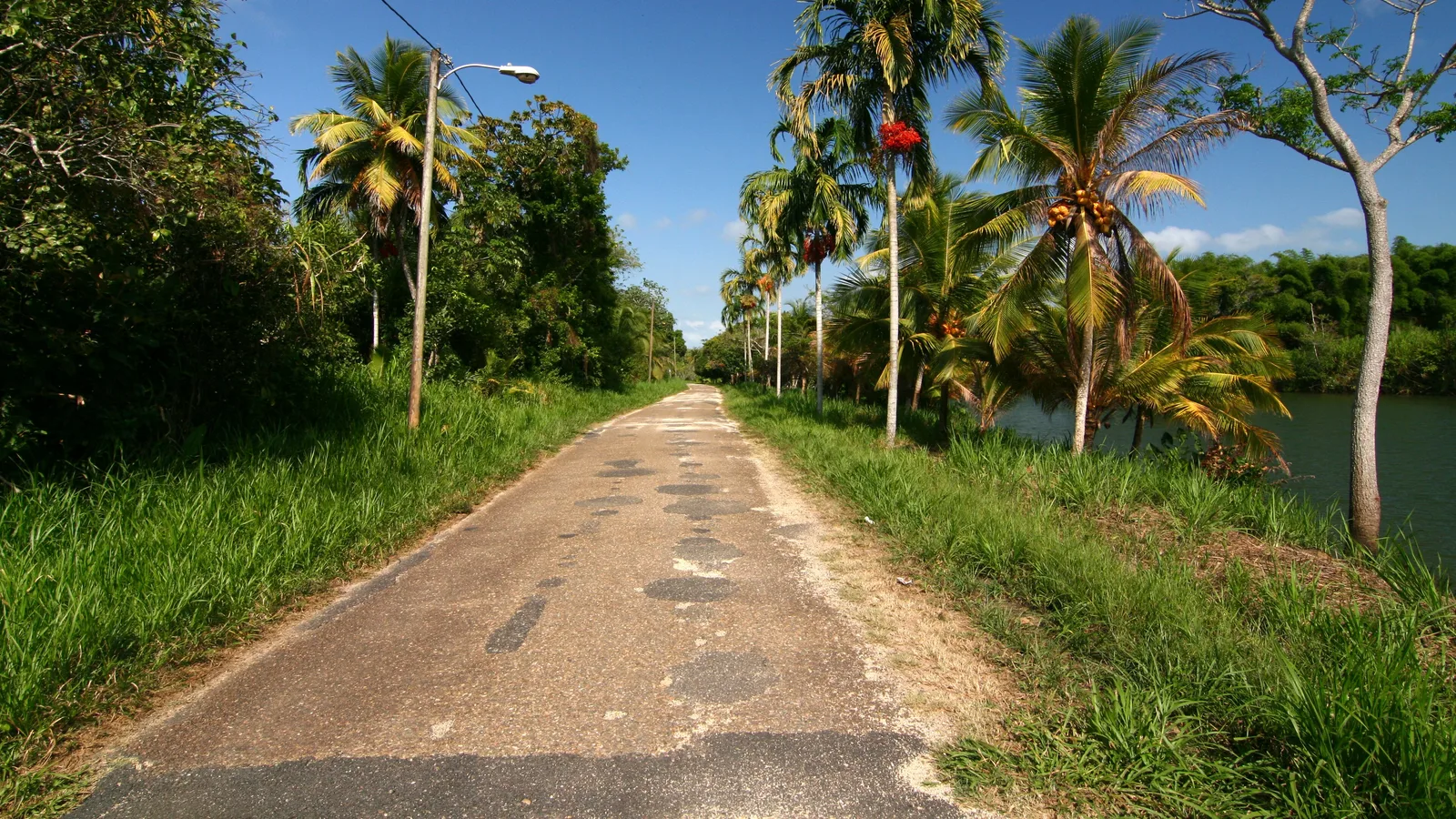
The Coastal Road, sometimes called the Manatee Road, is a laterite and gravel road of roughly 35 miles. It is a genuine shortcut: it saves a long swing inland through Belmopan if you are heading from the Belize City area to Dangriga, Hopkins or Placencia.
It is also the kind of road that changes character with the weather and with whatever upgrade work is underway. Over recent years sections have been improved, widened or rebuilt at various times, so a report you read online last year may describe a surface that no longer exists, for better or worse.
What is typical:
- A loose, graded surface with washboard corrugations that rattle the car if you drive too fast and smooth out a little at a steady, moderate speed.
- Potholes and ruts that come in clusters, often where water sits after rain.
- Serious dust in the dry season. Keep your distance behind trucks and close the vents when one passes.
- Slick, soupy patches in the rainy season. After heavy rain the road can be genuinely difficult, and occasionally impassable in low spots.
- Few houses and almost no services. Do not count on finding fuel, a shop or a mechanic along the way.
- Patchy mobile signal. Download your offline map before you turn off the highway.
Should you drive the Coastal Road at night?
We would not. There is no lighting, the surface hides its worst sections in the dark, and livestock and wildlife move onto the road at dusk. Plan to drive it in daylight, and if you are visiting Gales Point for the day, be back on paved highway before the sun goes. Leaving the village mid afternoon is sensible.
Fill the tank before you commit to the shortcut — at the Belmopan or Belize City end on the way in, or in Dangriga on the way out.
Seeing manatees in the Southern Lagoon
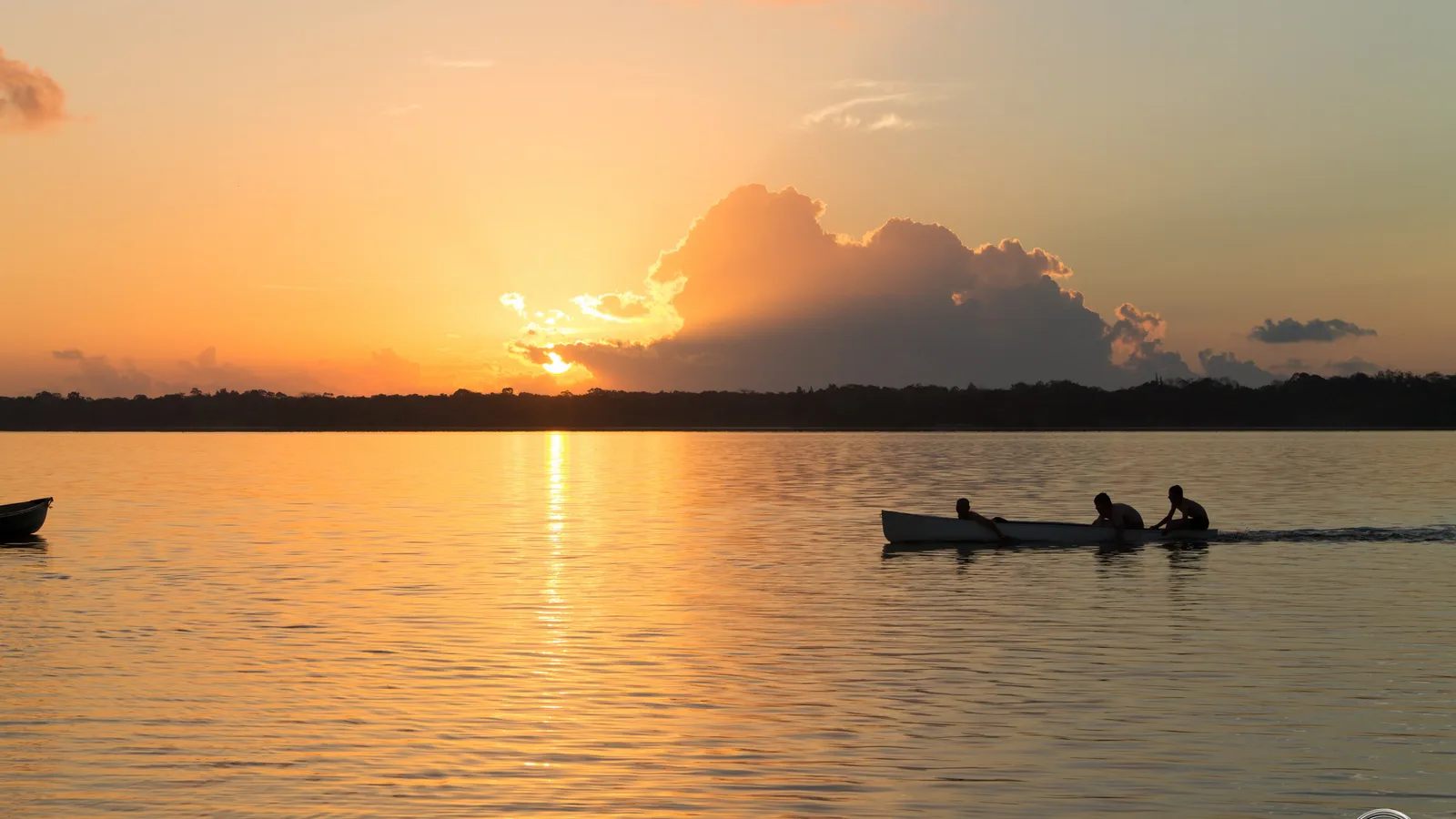
The Southern Lagoon is one of the better places in the Caribbean to see Antillean manatees, the subspecies of West Indian manatee found in Belizean waters. They use the warm, shallow, brackish water here to feed and rest, and the village has built a long association with them — hence the name.
Trips go out by skiff with village boatmen. Early morning is best: the water is flat, the light is kind, and the animals surface with a soft breath you hear before you see. Sightings are never guaranteed. A manatee that does not want to be seen simply stays down, and a good guide will not chase one to produce a show.
The same boat ride usually turns up plenty else. The lagoon edges and the mangrove creeks hold herons, kingfishers, osprey and, with luck, a jabiru stork — the largest flying bird in the Americas, which nests in this broad band of pine savanna and wetland.
Can you swim with manatees at Gales Point?
Manatee watching in Belize is regulated, and the standard practice on a responsible trip is to watch quietly from the boat rather than get in the water with the animals. Engine noise and crowding cause real harm to them. Ask your boatman what the current rules are before you book, and accept the answer — the population here exists partly because the village has protected it.
Turtles, caves and drums
A few miles from the village, the lagoon meets the sea at Manatee Bar, a long, empty stretch of sand that hawksbill and loggerhead turtles use for nesting in the warmer months. Nesting and hatching are seasonal and monitored locally; ask in the village whether anything is happening and go only with someone who knows the protocols.
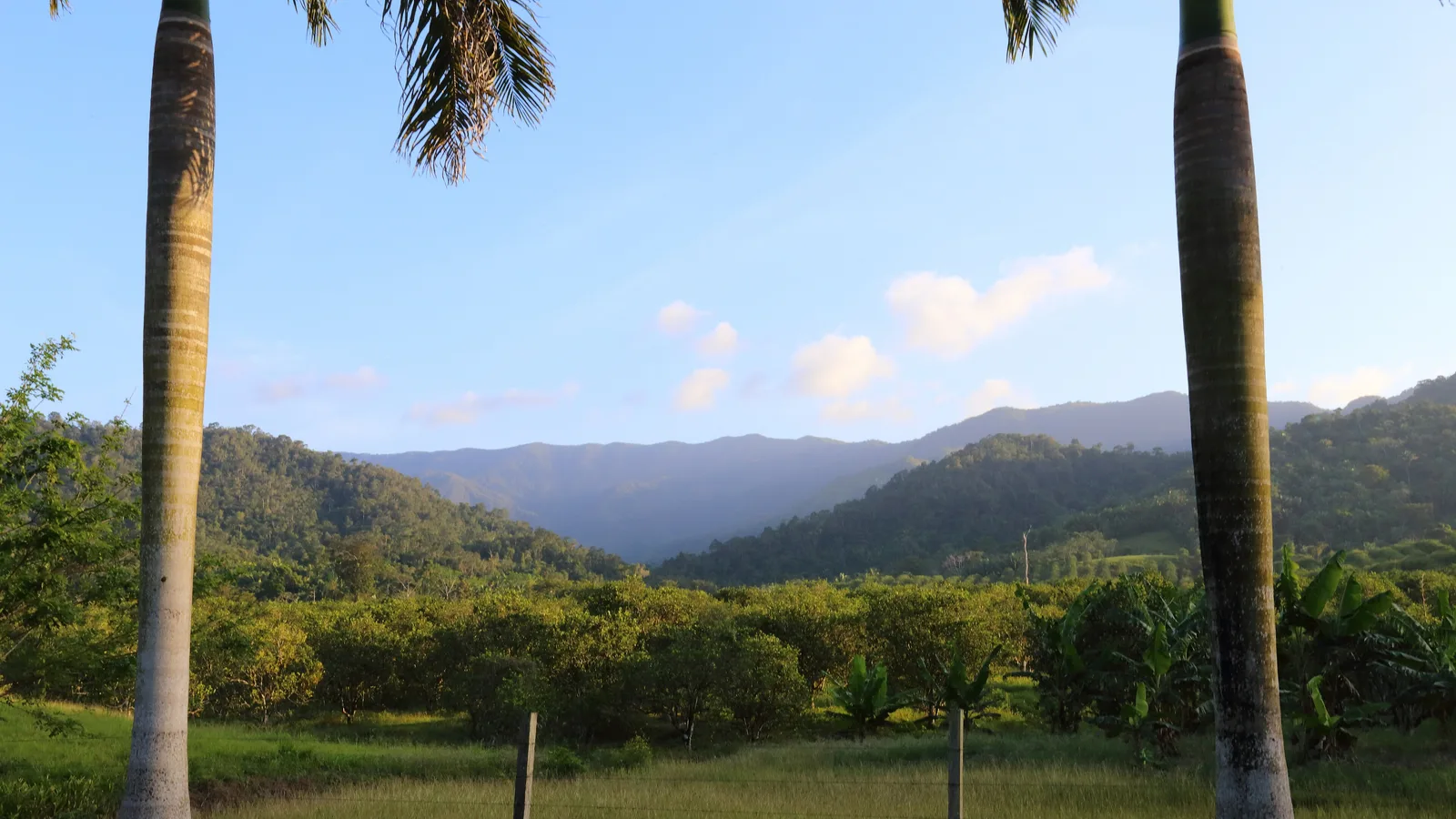
Inland, the limestone hills hold caves and the Manatee River, and local guides run trips to them. Gales Point also has a well known Creole and Maroon drumming tradition, with drum making and drum sessions that have drawn students from abroad for years. Whether lessons or performances are running on any given week depends on who is in the village — ask when you arrive or when you book a room.
Accommodation is simple: a handful of small guesthouses and family-run rooms. Bring Belize dollars in small notes, because card facilities are limited and there is no bank.
What to bring
- Cash in Belize dollars, in small denominations
- Water for the drive, plus snacks
- Sun hat, high-factor sunscreen and a long-sleeved shirt for the boat
- Strong insect repellent — the lagoon edge has sandflies and mosquitoes
- Binoculars, and a dry bag for cameras and phones
- Offline maps downloaded before you leave the paved highway
- A spare tyre you have actually looked at, properly inflated
Which vehicle suits the Coastal Road?
You want ground clearance and tyres you trust. A compact SUV handles the Coastal Road comfortably in normal dry conditions, and that is what most visitors take. Something like the 2017 Jeep Cherokee is a good fit for two to four people with luggage, with enough clearance for ruts and enough comfort to absorb the washboard. If you are a bigger group, or travelling on to the coast afterwards, the larger SUVs and the van in our fleet all cope with the route when it is dry and graded.
In the wet season, judge it on the day. If it has rained hard for a day or two, ask locally before committing, and be willing to take the paved route through Belmopan instead. Nobody enjoys being winched out of a mud hole.
Making a trip of it
Gales Point works nicely as a stop rather than a destination in isolation. Coming from the north, drive the Coastal Road in the morning, spend a night in the village, then carry on south and join the Hummingbird Highway run to Dangriga in reverse, or continue down to the Garifuna coast — our guide to driving to Hopkins picks up where this one leaves off.
It is a village with no attractions in the packaged sense. That is rather the point.
When you have your dates, send us a reservation request and our family will confirm the vehicle and price by phone or email. We can meet you at the airport, in Belize City or at our San Ignacio office, whichever suits your route.
Frequently asked questions
Can you drive to Gales Point Manatee in a normal car?
The access is via the unpaved Coastal Road and a spur road down the peninsula. In dry, recently graded conditions a standard car can usually manage it slowly, but an SUV with decent ground clearance is far more comfortable and much safer after rain. In the wet season, ask locally about current conditions before committing to the shortcut.
How long does the Coastal Road take to drive?
The unpaved section runs roughly 35 miles between the George Price Highway near La Democracia and the Hummingbird Highway near Melinda. Most drivers allow an hour and a half or more at a sensible speed, though it varies a lot with the surface and any ongoing road work. Drive it in daylight only.
Are you guaranteed to see manatees at Gales Point?
No. Manatees are wild and sightings depend on weather, water conditions and luck. Early morning boat trips with village guides give you the best chance, and the birdlife in the Southern Lagoon makes the trip worthwhile either way. Watching is done from the boat; ask your guide about current manatee-watching rules.
Is there fuel or an ATM at Gales Point?
Treat the village as having no fuel station and no bank. Fill the tank in Belmopan, Belize City or Dangriga depending on your direction of travel, and bring Belize dollars in small notes for rooms, boat trips and meals.