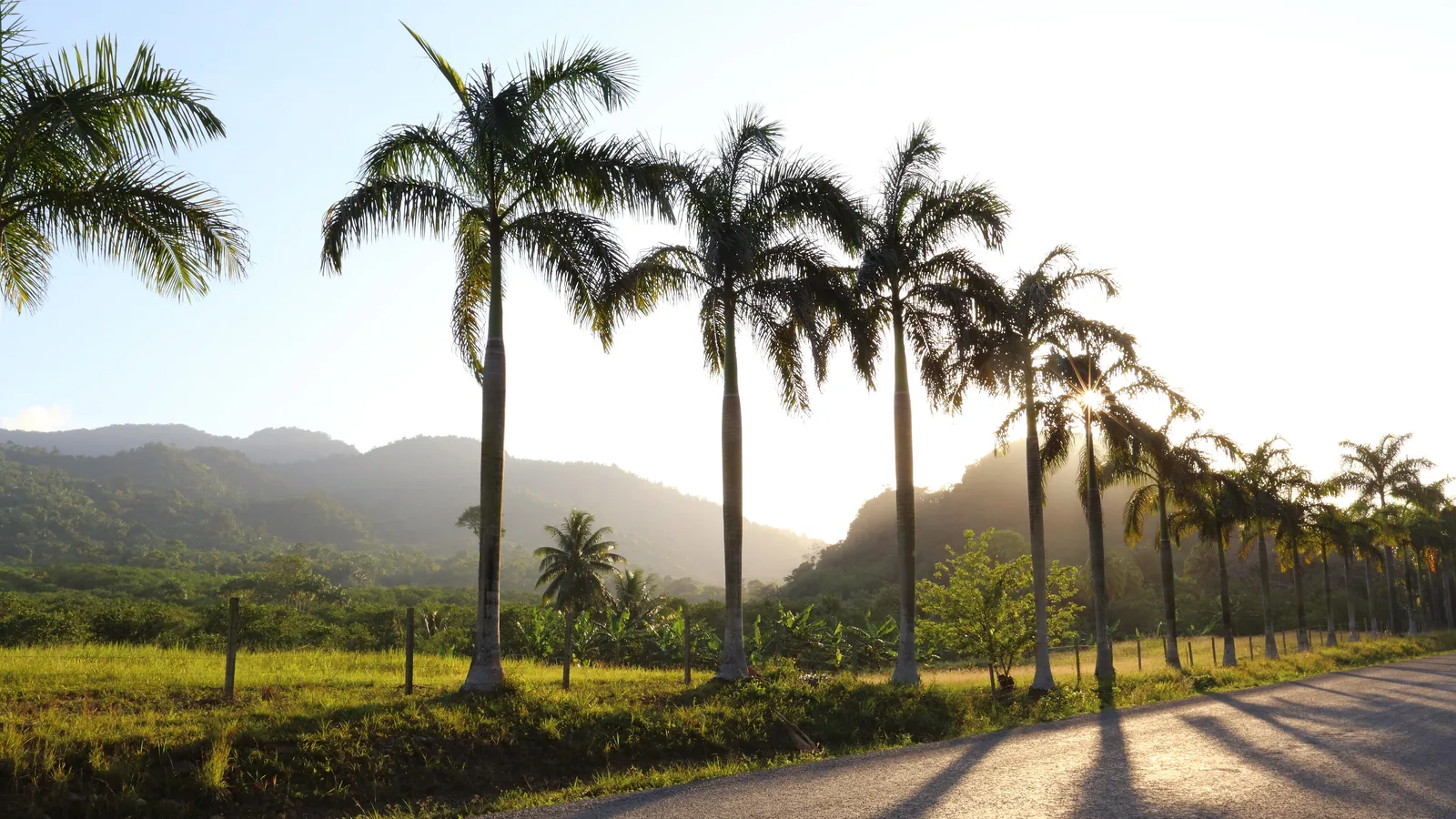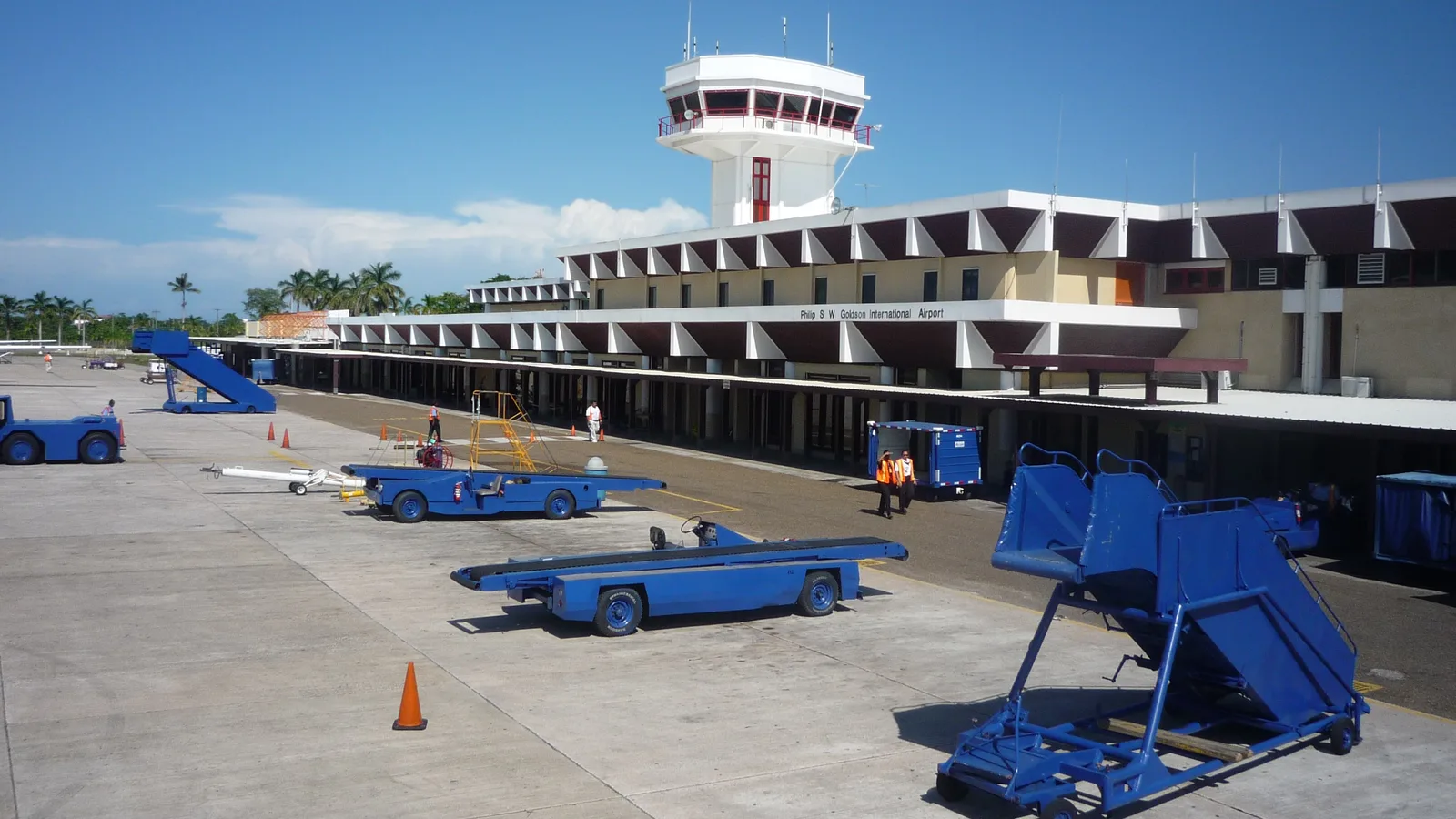
Work out what to pack for a Belize road trip and half the trip planning is done. This is a small country with big variety: pine ridge at altitude, limestone caves that run cold, humid lowland jungle, and a coast where the wind never really stops. In one week of driving you can be shivering in a river cave before lunch and sunburnt on a dock by four in the afternoon. The packing list has to cover all of it without filling the back seat.
What follows is the list we end up reciting at the counter in San Ignacio most mornings, organised by the kind of day you are likely to have.
What documents do you need for driving in Belize?
This part is non-negotiable, so handle it first and put everything in one waterproof folder or zip bag.
- Your passport, with the entry stamp. You will be asked for it at the rental counter and occasionally at police checkpoints.
- A valid driving licence from home. Most visitors drive on their home licence for a short stay; bring an International Driving Permit too if your licence is not in English, as it costs little and removes an argument.
- A credit card in the driver's name for the security hold.
- A printed or screenshotted copy of your confirmed reservation.
- Travel insurance details. Our rentals include third-party insurance, but anything beyond that is your own cover, so know what your card or policy actually provides.
- If you plan to cross to Tikal, written consent from us in advance. Ask before you arrive, not the night before the border.
More of the entry, currency and driving background is set out on our practical Belize travel page, which is worth a read before you pack.
Clothes for jungle, highland and coast
Belize is hot, but not uniformly. The Mountain Pine Ridge sits high enough to be genuinely cool after dark, caves hold river water that will chill you, and air conditioning in restaurants can be aggressive.
Pack light layers rather than bulk:
- Quick-dry shirts and shorts. Cotton stays wet all day in the humidity.
- One pair of long, light trousers for jungle trails, mosquitoes and the inside of caves.
- A long-sleeved shirt, light colour, for sun and insects.
- One warm layer. A fleece or hoodie earns its space in the Pine Ridge and on early starts.
- A packable rain shell. In the wet season it rains hard and briefly; in the dry season it still rains sometimes.
- Swimwear, and a second set so one is always dry.
- A hat with a brim and sunglasses.
- Something tidy for dinner in San Ignacio, Placencia or Hopkins. Nothing formal, but you will want one clean shirt.
Laundry is easy and cheap in most towns, so pack for four or five days and wash mid-trip rather than hauling two weeks of clothes.
Footwear is where people get it wrong
Three pairs covers everything. Closed trail shoes or light hikers for ruins and forest trails. Sturdy sandals or water shoes with a proper heel strap for caves, rivers and waterfalls — flip-flops will be lost in the first current. Then flip-flops anyway, for the beach and the hotel room.
If you are only bringing one pair for water, make it something you can walk a rocky riverbed in. Most cave trips in Cayo involve wading, and some involve swimming with your shoes on.
What should you pack for Belize caves and rivers?
Cave days have their own kit, and the guided trips are specific about it. Confirm details with your operator, because rules change and some sites have restrictions.
- Water shoes or old trainers you do not mind soaking.
- A swimsuit worn under your clothes so you are not changing in a car park.
- A small dry bag for phone, cash and keys.
- A head torch as backup, even when the guide supplies lighting.
- A towel and a full change of clothes left in the vehicle.
- Photography is restricted at some cave sites, so check before you carry a camera in.
For the coast and the cayes, add reef-safe sunscreen, a rash guard for snorkelling, and a hat that will survive a boat ride.
The bag that lives in the vehicle
There is a second category of packing that has nothing to do with your suitcase: the things that stay in the back of the car for the whole trip. Ours looks like this.
- A cool box or insulated bag. Ice is sold in most villages and a cold drink after a three-hour hike is worth the boot space.
- Four litres of water per person per day, topped up as you go.
- Snacks. Outside towns, stretches of the Hummingbird and Southern Highways have long gaps between shops.
- Paper towels, wet wipes and a rubbish bag. You will be the one cleaning the river mud off the seats otherwise.
- A phone mount and a 12V charger. Navigation drains batteries fast.
- Offline maps downloaded before you leave Wi-Fi.
- A basic first aid kit: plasters, antiseptic, antihistamine, rehydration salts, any prescription medication in its original packaging.
- Insect repellent with DEET or picaridin, plus after-bite cream for the sandflies on the coast.
- A torch. Power cuts happen and village streets are dark.
Keep valuables out of sight when you park, the same as you would anywhere. Belize is friendly, but an unattended camera bag on a seat is an invitation.
What are the roads actually like?
The four main highways — the George Price, the Philip Goldson, the Hummingbird and the Southern — are paved and perfectly manageable in any vehicle. The Hummingbird is the prettiest drive in the country and also the curviest, so take it slowly.
The interesting part starts when you turn off them. Access roads to caves, waterfalls, Maya sites and inland lodges are often unpaved limestone or clay. In the dry season they are dusty and corrugated; after heavy rain they soften and the ruts deepen. Speed bumps, locally called sleeping policemen, appear without warning at the edge of every village, including on the highways.
That combination is why we run an SUV fleet rather than small saloons. Ground clearance matters more than four-wheel drive on most Belizean side roads. A Jeep Patriot or Compass handles a couple of adults with luggage comfortably; for a family with cave gear, cool box and cases, the extra room in the 2017 Jeep Cherokee stops you repacking the boot every morning. Groups of six or more should look at the larger Ford models.
Plan for the practicalities
- Fuel up in towns. Stations are reliable on the highways and sparse on the back roads.
- Carry cash in small notes. The Belize dollar is fixed at two to one against the US dollar, and both circulate.
- Avoid driving after dark where you can. Unlit cyclists, dogs and unmarked bumps are the hazard, not crime.
- Build slack into the schedule. Everything in Belize takes a bit longer than the map suggests.
If you want a route to hang all this on, our 7-day Belize road trip itinerary from San Ignacio runs west to south and back, and the shorter three days in Cayo guide covers the caves and ruins within an easy drive of town.
What you can leave at home
Heavy hiking boots, formal clothes, a hairdryer, more than one bulky towel, and most of the toiletries you were going to buy anyway — shops in San Ignacio, Belmopan, Belize City and Placencia stock the basics. Drones need permission in some protected areas, so research before you pack one.
Ready when you are
We are a family business on Benque Viejo Road in San Ignacio, and we deliver and collect anywhere in the country, including the international airport. Tell us where you are landing and what you plan to see, and we will suggest the vehicle that fits the luggage and the roads. Send a reservation request with your dates, or call or WhatsApp us if you would rather talk it through — there is no online payment and no booking fee, just a reply from one of us confirming the details.
Frequently asked questions
Do I need a 4x4 to drive in Belize?
For the main paved highways you do not. The George Price, Philip Goldson, Hummingbird and Southern Highways are sealed and suit any vehicle. What matters more is ground clearance for the unpaved access roads to caves, waterfalls and Maya sites, which is why our fleet is made up of SUVs rather than small cars.
What shoes should I bring for Belize caves and waterfalls?
Bring water shoes or old trainers with a secure heel strap, since most cave and river trips involve wading and sometimes swimming with your shoes on. Flip-flops are not suitable and tend to be lost in the current. Add a pair of closed trail shoes for ruins and forest walks, and keep a dry change of clothes in the vehicle.
Should I bring cash or rely on cards in Belize?
Carry cash, especially in small notes. The Belize dollar is fixed at two to one against the US dollar and both are accepted widely. Hotels, larger restaurants and supermarkets usually take cards, but village shops, roadside stalls, park entrance desks and many guides are cash only. ATMs are available in the main towns.
Can I take a rental vehicle from Belize into Guatemala for Tikal?
Yes, with prior written consent from us. Ask when you make your reservation request rather than at the last minute, so the paperwork is ready before you reach the border. Additional requirements and fees apply on the Guatemalan side, and you should confirm the current arrangements with us directly.