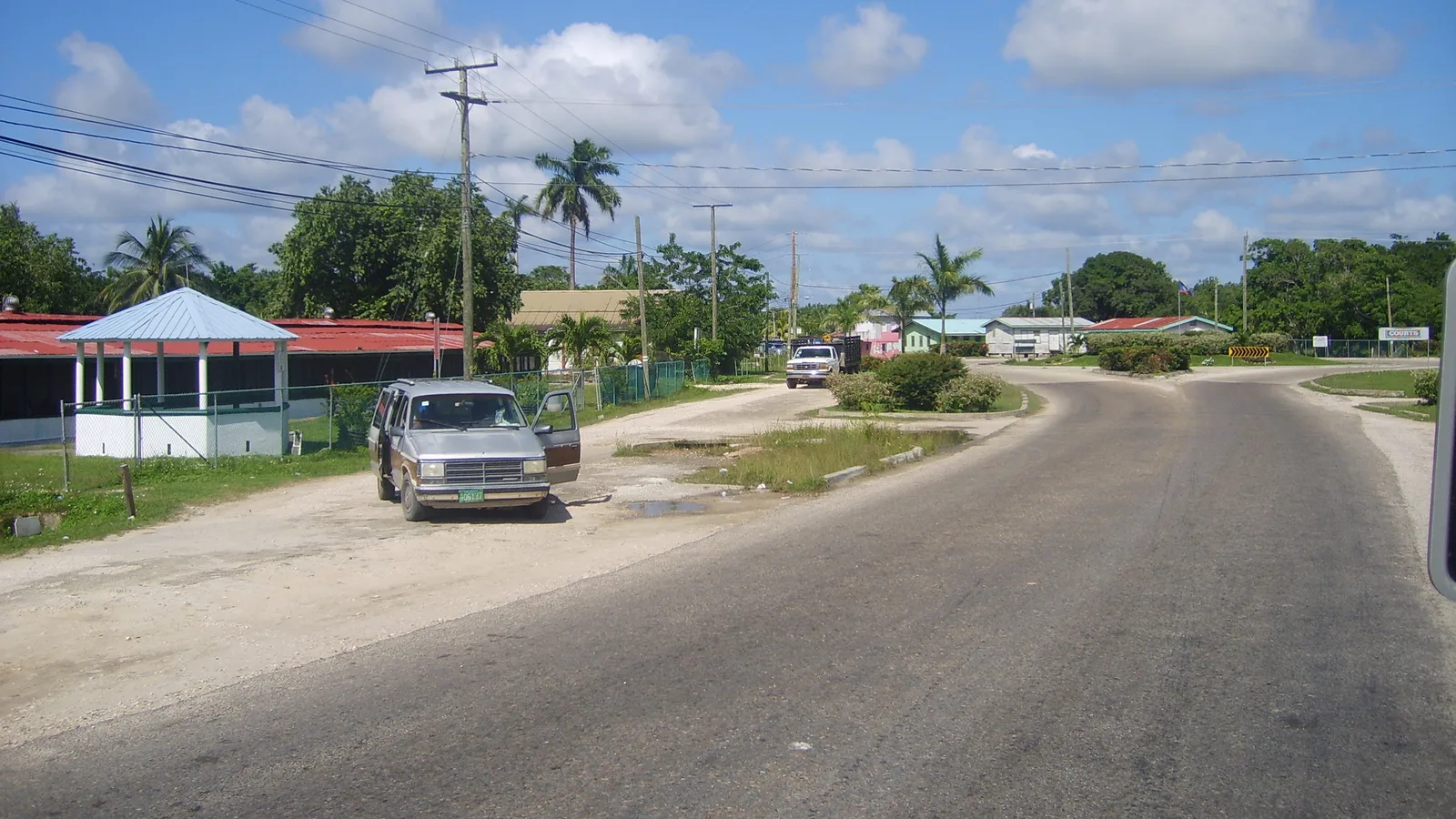
Most visitors pass through San Antonio village, Cayo without stopping. They are on their way to the waterfalls and pine forest above it, and the village goes by in a few minutes of speed bumps, chickens and painted board houses. That is a shame, because San Antonio is one of the few places in Belize where you can meet the people who more or less invented a national craft, see a family-run museum built out of their own collection, and still be at a waterfall by lunchtime.
It also happens to sit on one of the two main approaches to the Mountain Pine Ridge Forest Reserve, which makes it a natural first stop rather than a detour.
How do you get to San Antonio village from San Ignacio?
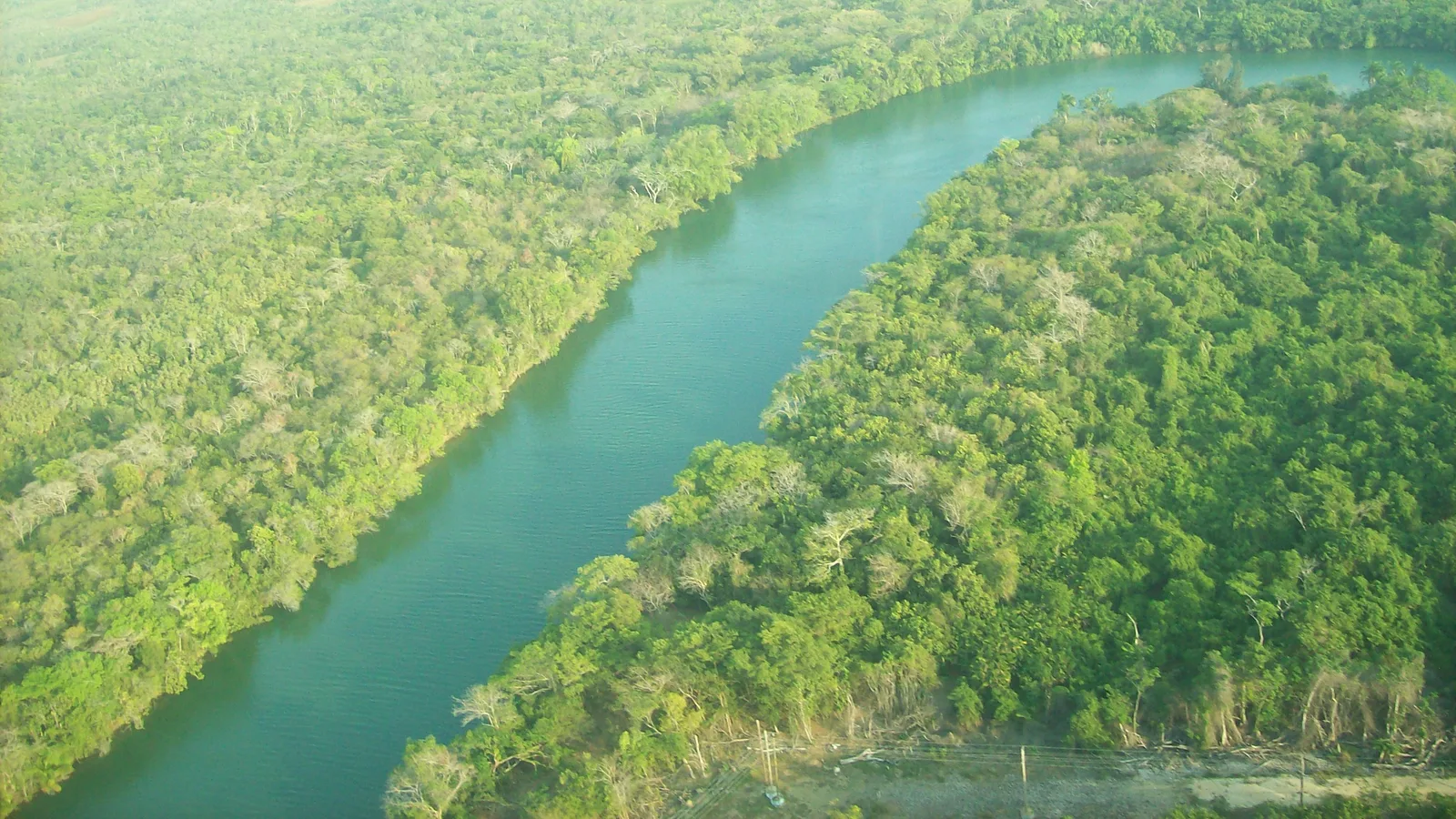
From San Ignacio you cross the river into Santa Elena and pick up the Cristo Rey Road, which runs south-east along the Macal valley through Cristo Rey village and on to San Antonio. It is roughly 30 to 45 minutes depending on how much of the surface has been resealed recently and how many speed bumps you take seriously.
The road alternates between paved sections and hard-packed dirt. In dry season it is dusty and perfectly manageable in any ordinary vehicle. After heavy rain the unpaved stretches get slick and rutted, and the low crossings and dips are the parts to respect. None of it is remote driving — there are villages and traffic the whole way — but it is not a highway either.
The other approach to the pine ridge is the Chiquibul Road from Georgeville, further east on the George Price Highway. The two routes converge above San Antonio, which means you can go up one way and come back the other and see twice as much.
The García sisters and Belizean slate carving
San Antonio is a Yucatec Maya village, settled by families whose ancestors moved south from the Yucatán and Petén in the nineteenth century. Maya is still spoken here alongside English and Spanish, and a lot of the village economy runs on farming, craft and small-scale tourism.
The village is best known for the García sisters, a group of sisters from San Antonio who began carving the local slate in the 1980s and are widely credited with starting slate carving as a Belizean art form. Before them, slate was a stone you found in the hills. Now it is sold in gift shops across the country, usually carved with Maya glyphs, calendar motifs, animals and figures lifted from stelae at sites like Caracol and Xunantunich.
What you get in San Antonio that you do not get in a resort shop is the source. The slate is quarried locally, the carving happens on site, and you can usually watch some of it being done. Prices for a piece bought directly from the carver are generally better than anything you will see on the coast, and the money stays in the village.
What is the Tanah Mayan Art Museum?
Tanah is the small family-run museum and craft centre the García family built in San Antonio. It is not a national institution with marble floors — it is a modest building holding a collection of Maya pottery, stone tools and artefacts gathered over years, alongside displays on traditional village life, medicinal plants and the slate-carving process.
There is normally a gift shop attached, a herb garden, and someone from the family available to walk you through the collection and explain what you are looking at. That guided explanation is the real value; the objects on their own would not hold you for long, but the context does.
Opening arrangements can be informal, and fees are collected on arrival — check the current rate and whether anyone is about when you get there. If you are travelling on a tight schedule it is worth asking at your hotel in San Ignacio that morning.
What else is there to do around San Antonio?
The village rewards a slow hour or two rather than a quick photo stop. Things worth your time:
- Watching slate being cut and carved, and buying a piece directly from the maker
- The Tanah museum collection and its medicinal plant garden
- The village church and the central area, which is a good place to see everyday Cayo village life without it being staged for anyone
- Noj Kaax Meen Elijio Panti National Park, named for the famous Maya bush doctor who lived in San Antonio and treated patients here until his death in the 1990s. Access is community-managed and trail conditions vary, so ask in the village before setting off
- Roadside fruit, tortillas and cold drinks, which are better value than anything further up the mountain
There is no reliable fuel station in the village and limited banking. Fill the tank in Santa Elena or San Ignacio and carry small Belize dollar notes — mobile signal thins out as you climb. Our practical Belize travel page covers currency, driving and entry basics if this is your first trip.
Carrying on up to Mountain Pine Ridge
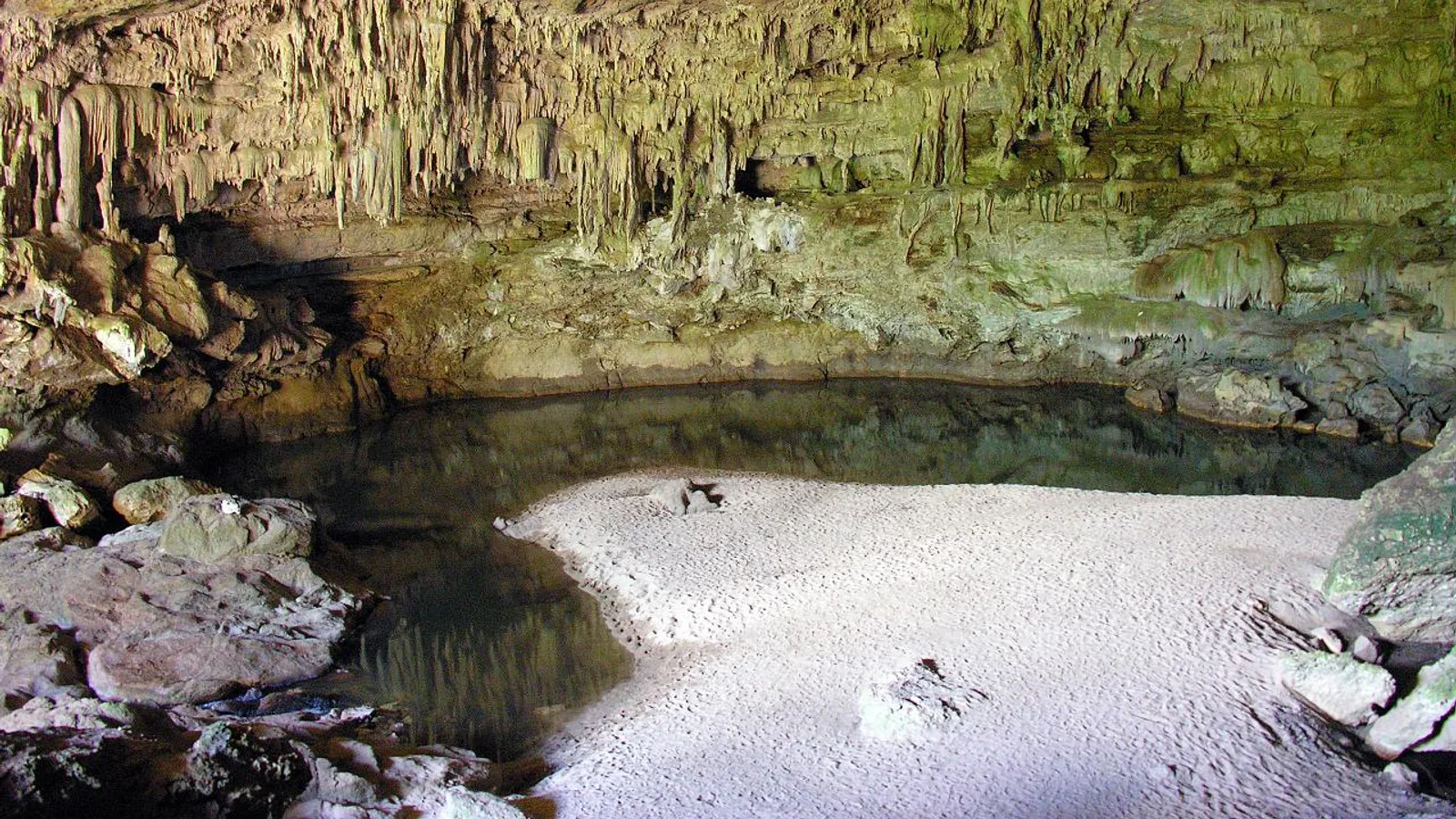
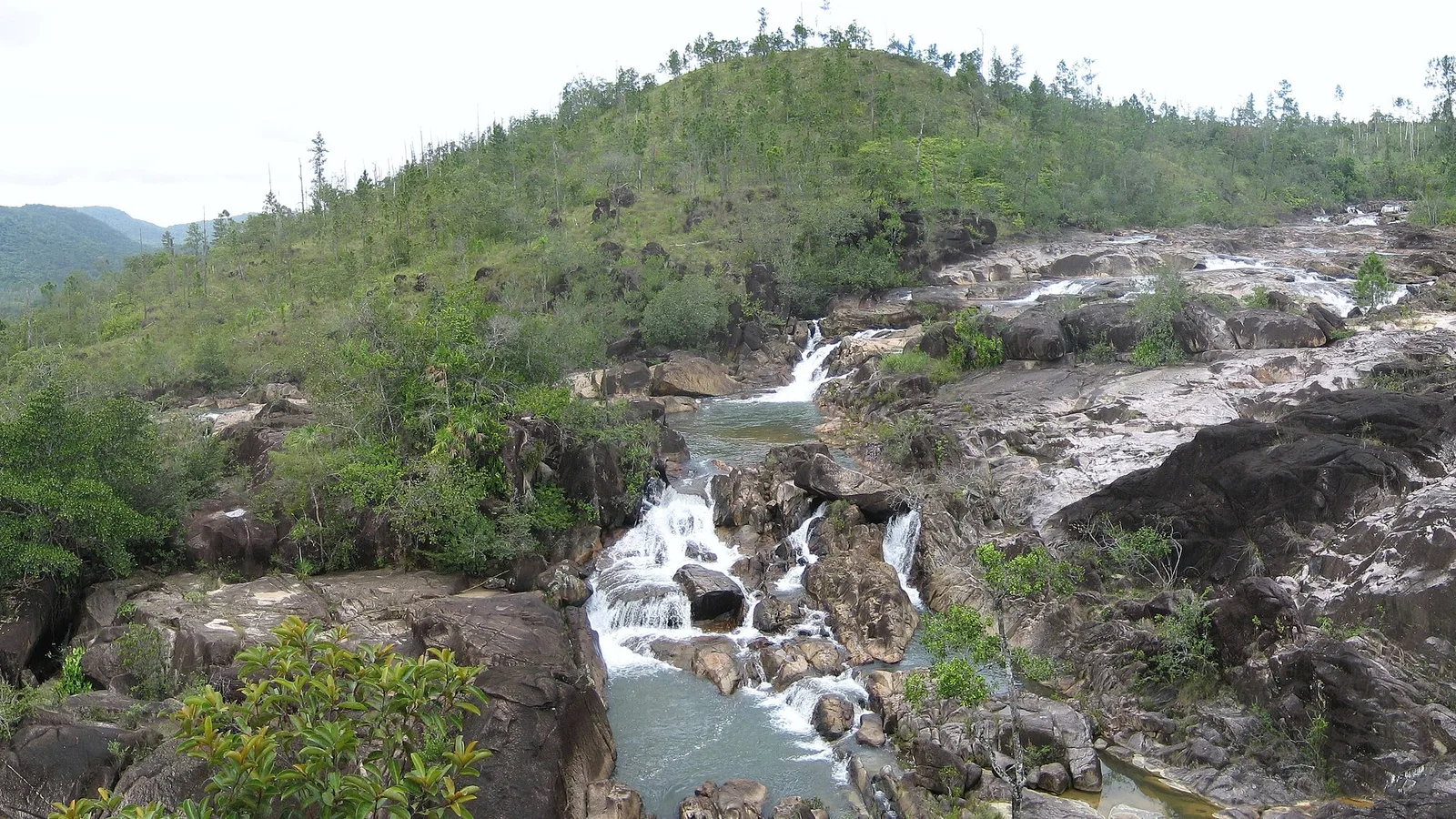
Above San Antonio the landscape changes quickly. Broadleaf farmland gives way to pine, the air cools, and the red laterite road climbs toward the reserve gate, where visitors normally sign in. Beyond that lie Rio On Pools, Big Rock Falls, Rio Frio Cave and, much further in on a far rougher road, Caracol. Arrangements for the Caracol road have changed over the years — ask locally about the current situation before committing to the drive.
The reserve roads are unpaved, corrugated in places and genuinely slow going. Plan on much lower average speeds than you expect, and do not start the drive in late afternoon. Our roundup of waterfalls you can drive to in Belize sets out which of the pine ridge stops are worth prioritising if you only have one day.
What kind of vehicle do you need for the Cristo Rey Road?
To reach San Antonio village itself and turn around, a standard small SUV is fine in dry conditions. If you intend to continue into Mountain Pine Ridge, go with ground clearance. The washboard, the loose gravel and the steeper graded sections are much easier in something with a bit of height and a solid suspension.
A 2017 Jeep Cherokee handles that run comfortably for a couple or a small family. Larger groups generally do better in one of the seven or eight seat SUVs, and the whole vehicle fleet is sized around exactly this kind of Cayo day trip. If you are unsure, say where you are heading when you send the request and the family will tell you honestly which vehicle suits the road that week.
Plan for the day with:
- Cash in small Belize dollar notes for the museum, carvings, the reserve gate and roadside food
- A full tank before you leave Santa Elena
- Water, sun cover and swim things if the pools are on your list
- Shoes you do not mind getting red with dust or mud
- An offline map, since signal drops out above the village
- An early start, so the driving happens in good light
If you are fitting this into a longer stay, it slots neatly into day two of our three days in Cayo itinerary.
When you are ready to put a vehicle on the road, send us a reservation request. There is no online payment and no booking fee — our family will confirm availability and price with you directly, and have the keys waiting in San Ignacio, at the airport or wherever suits your arrival.
Frequently asked questions
Can you drive to San Antonio village in a regular car?
In dry weather, yes. The Cristo Rey Road from Santa Elena is a mix of paved and hard-packed dirt sections and is manageable in an ordinary vehicle. After heavy rain the unpaved stretches get slick and rutted, and if you plan to continue into Mountain Pine Ridge an SUV with decent ground clearance is a much better choice.
How long does it take to drive from San Ignacio to San Antonio village?
Roughly 30 to 45 minutes, depending on the state of the road surface and how many speed bumps you encounter along the way. Allow extra time in the rainy season, and do not plan to arrive late in the day if you intend to carry on up to the pine ridge afterwards.
Is the Tanah Mayan Art Museum open to visitors?
It is a small family-run museum and craft centre in San Antonio village, and opening arrangements can be informal. Fees are collected on arrival, so check the current rate when you get there. If your schedule is tight, ask at your hotel in San Ignacio before driving out.
Can I combine San Antonio with Mountain Pine Ridge in one day?
Yes, and it is the most common way to do it, since the Cristo Rey Road through San Antonio is one of the two main approaches to the reserve. Start early, as the reserve roads are unpaved and slow. Caracol is a much longer commitment — ask locally about current access arrangements before adding it.